Sommersemester 2026, BA/MA Produkt-Design Produkt_Startseite
LIVING PATTERNS
Living Patterns is a project at the Weißensee School of Art and Design Berlin that explores the space between growth and fabrication. In response to the climate crisis, it asks how future products might emerge: through fully automated robotic manufacturing, or through renewed engagement with the logics of natural materials.
The water drop becomes a central experimental element, mediating between natural and artificial processes and blurring boundaries between material and tool, process and product, organic and digital.
Students move from simple dripping devices to robotic fabrication setups, exploring how much control - or openness to material agency - these hybrid systems require. The outcomes are not fixed objects, but dynamic, interwoven processes of making and growing.
Supervised by Sofia Fernández, Joana Schmitz
& Mareen Baumeister, with support from Prof. Barbara Schmidt, Jörg Hugo & Andreas Kallfelz.
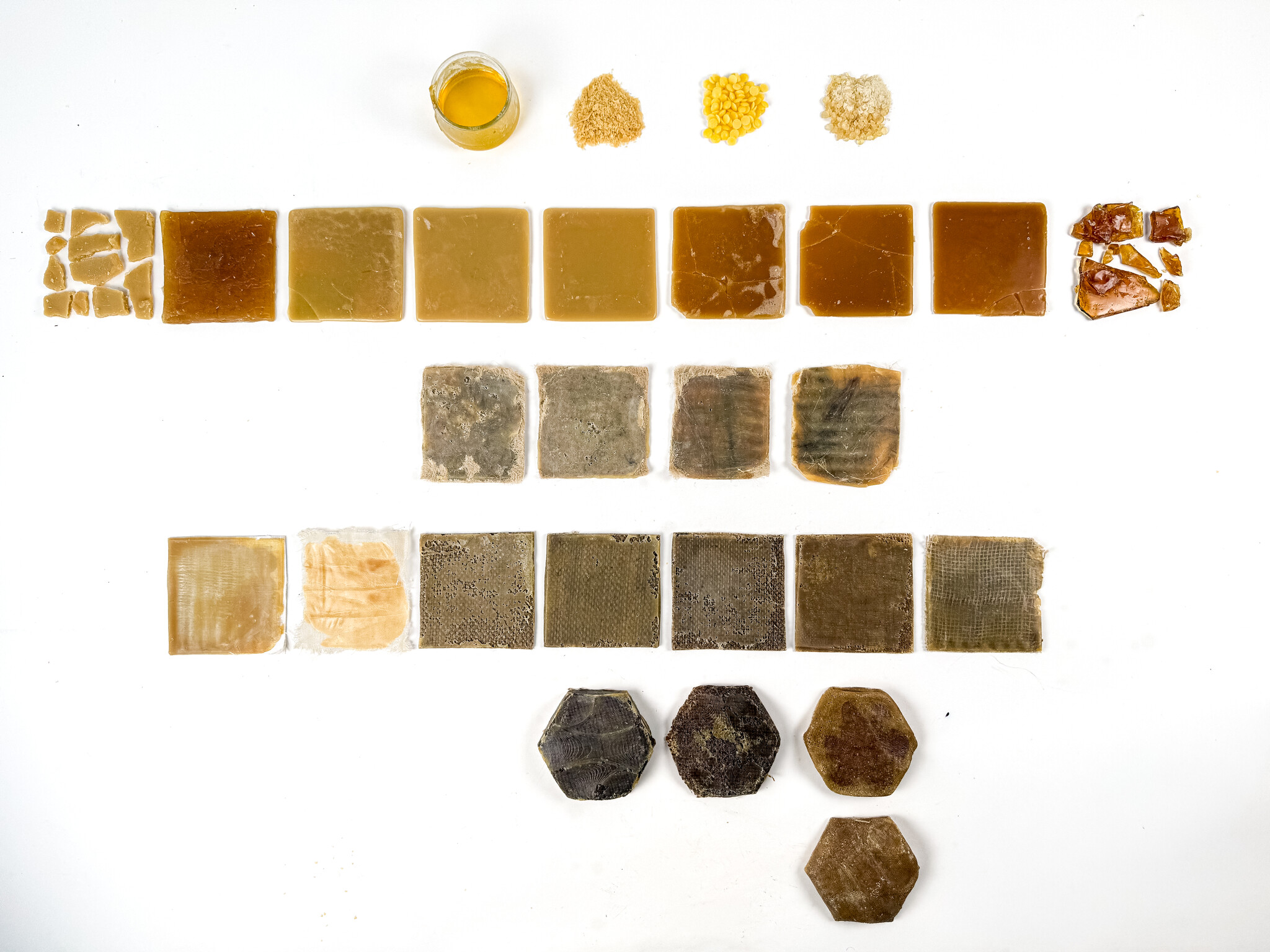
How can a fully bio-based composite be formulated to achieve specific stiffnesses and tensile strengths required for structural components while maintaining a circular material loop throughout its lifecycle?
Alle Rechte vorbehalten Johann Klaphake
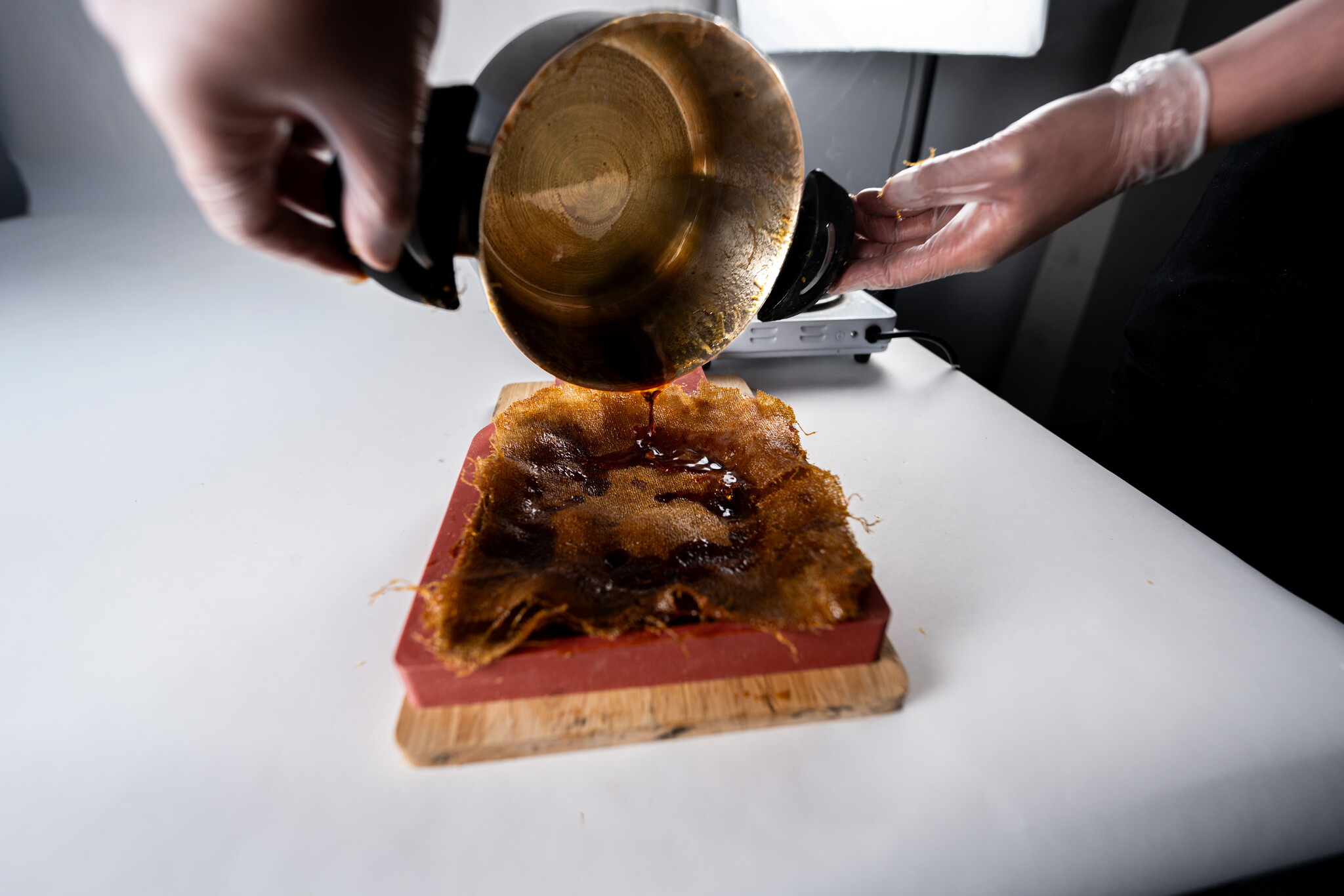
How can a fully bio-based composite be formulated to achieve specific stiffnesses and tensile strengths required for structural components while maintaining a circular material loop throughout its lifecycle?
Alle Rechte vorbehalten Johann Klaphake
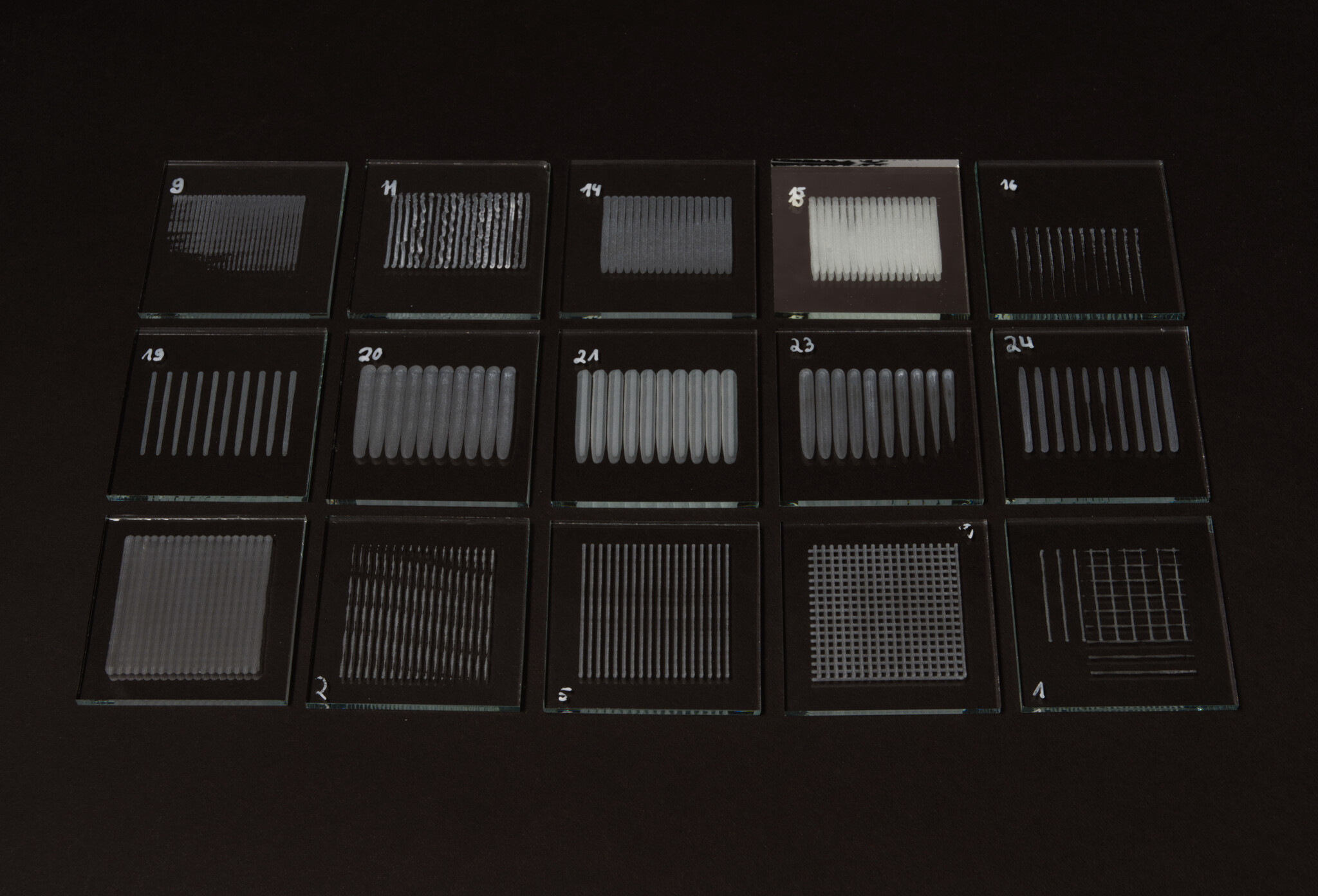
Glass engraving is increasingly fading into the background. The reasons for this are excessive labour costs and a growing decline in the number of trained craftsmen. How can this centuries-old craft be transformed into a contemporary prac- tice and further developed with the help of digital tools?
Alle Rechte vorbehalten Sarah Winter
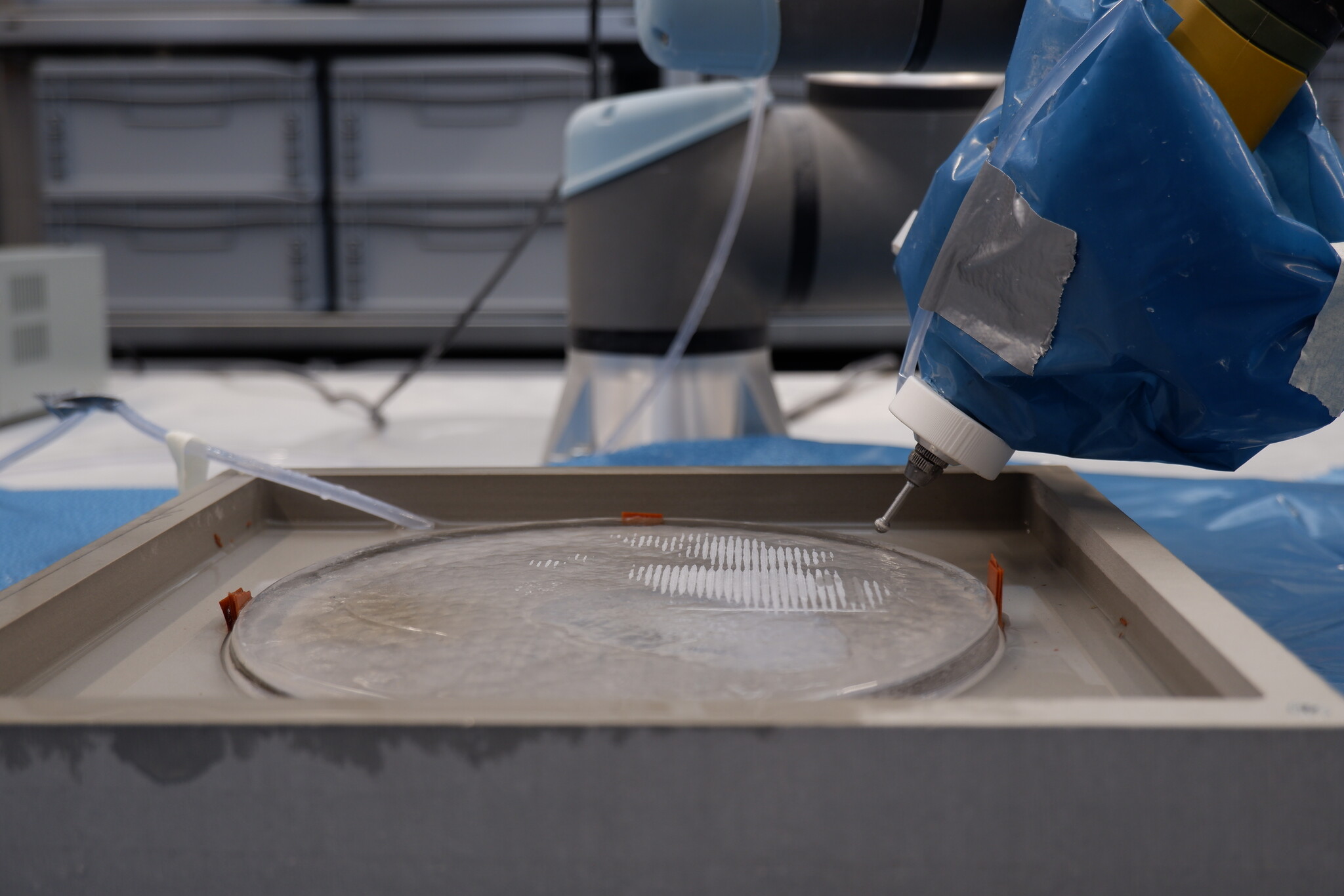
Glass engraving is increasingly fading into the background. The reasons for this are excessive labour costs and a growing decline in the number of trained craftsmen. How can this centuries-old craft be transformed into a contemporary prac- tice and further developed with the help of digital tools?
Alle Rechte vorbehalten Sarah Winter
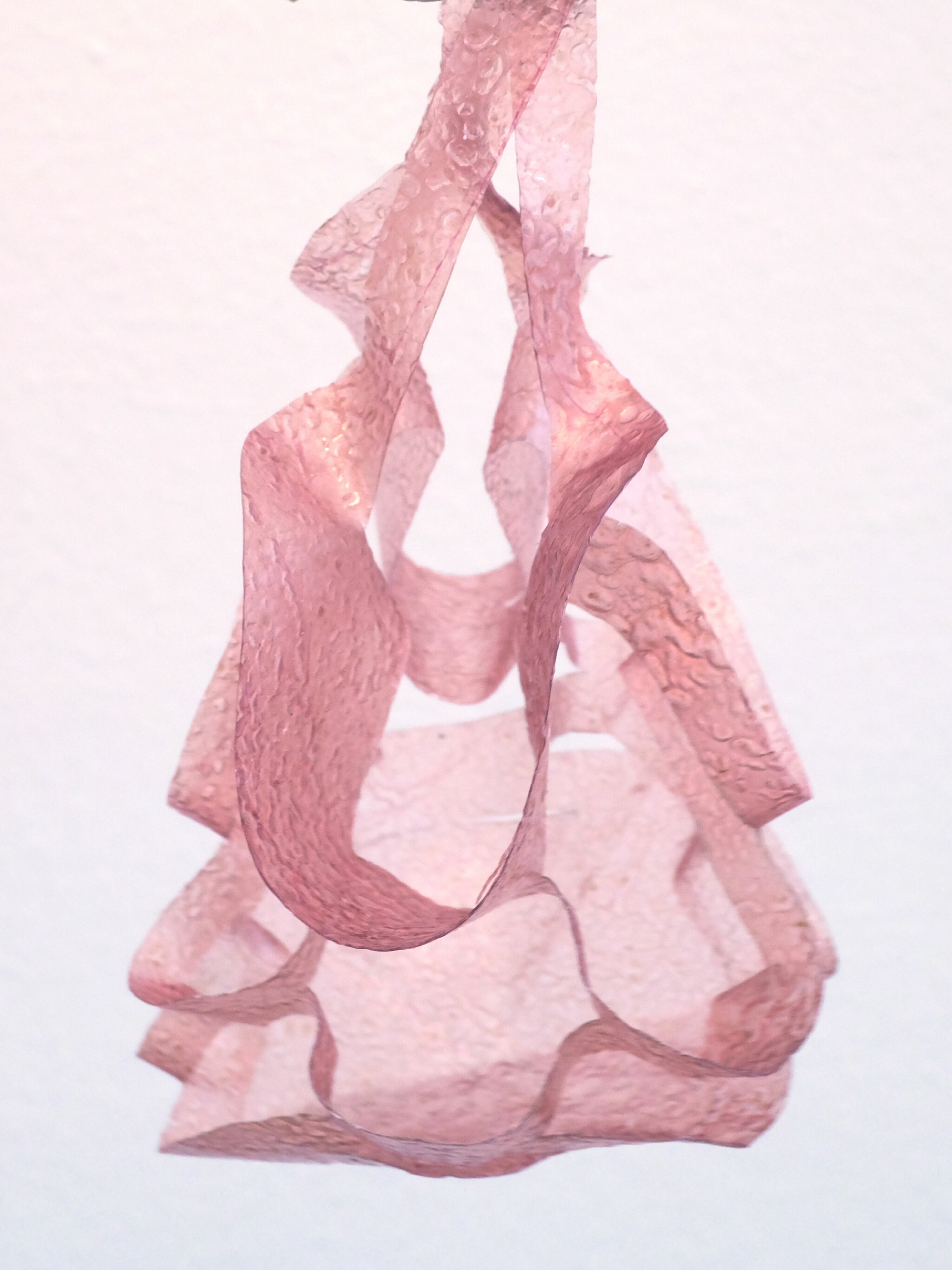
This project explores the material potential of apple peels through a layered bio-based system. By combining natural binders, fabrication processes, and material layering, controlled and spontaneous surface patterns emerge. The material can be cut, sewn, and thermally shaped, transforming thin films into three-dimensional forms. It positions apple peel biomaterials as a versatile, process-driven medium for design experimentation.
Alle Rechte vorbehalten Lianghan Cho
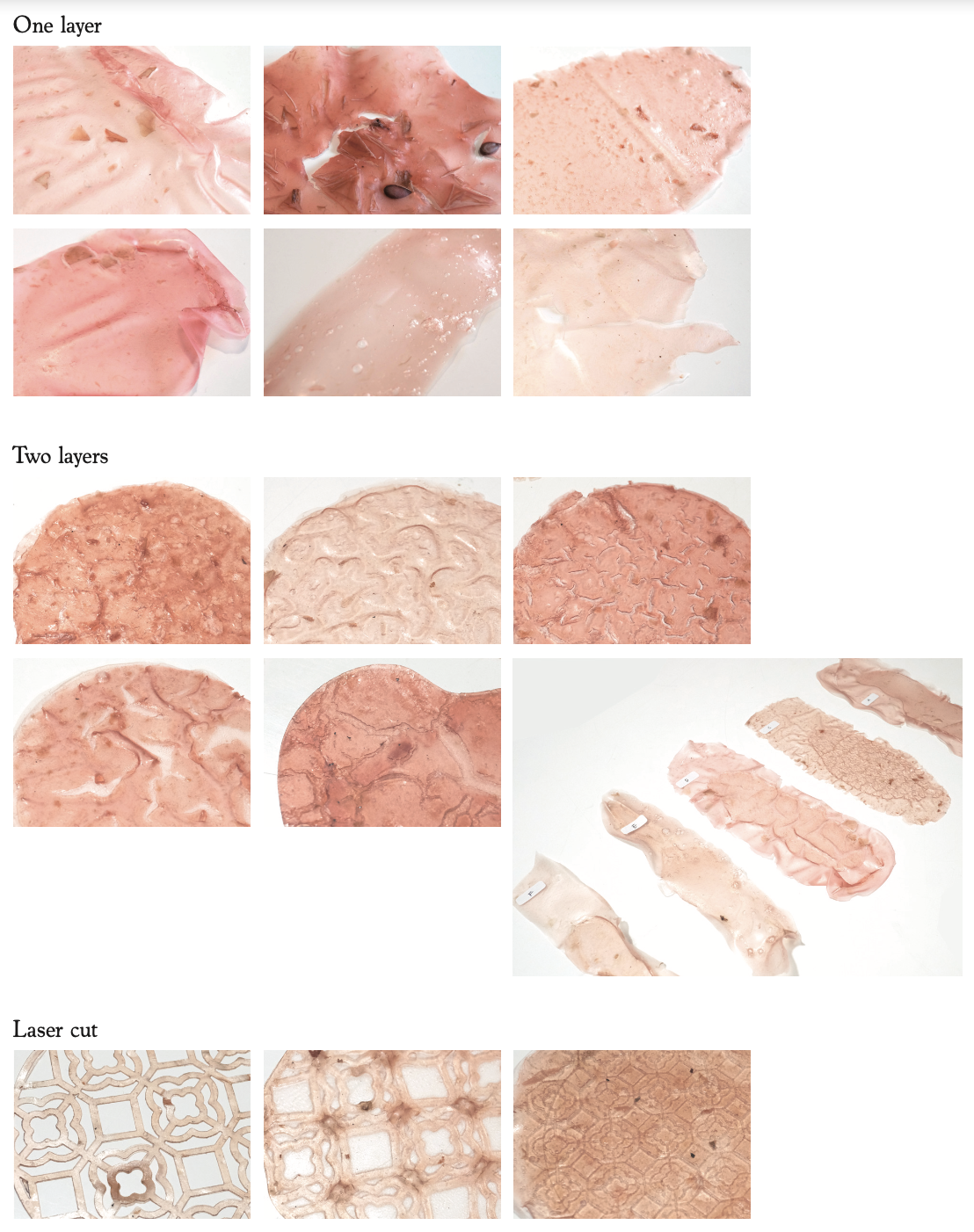
This project explores the material potential of apple peels through a layered bio-based system. By combining natural binders, fabrication processes, and material layering, controlled and spontaneous surface patterns emerge. The material can be cut, sewn, and thermally shaped, transforming thin films into three-dimensional forms. It positions apple peel biomaterials as a versatile, process-driven medium for design experimentation.
Alle Rechte vorbehalten Lianghan Cho
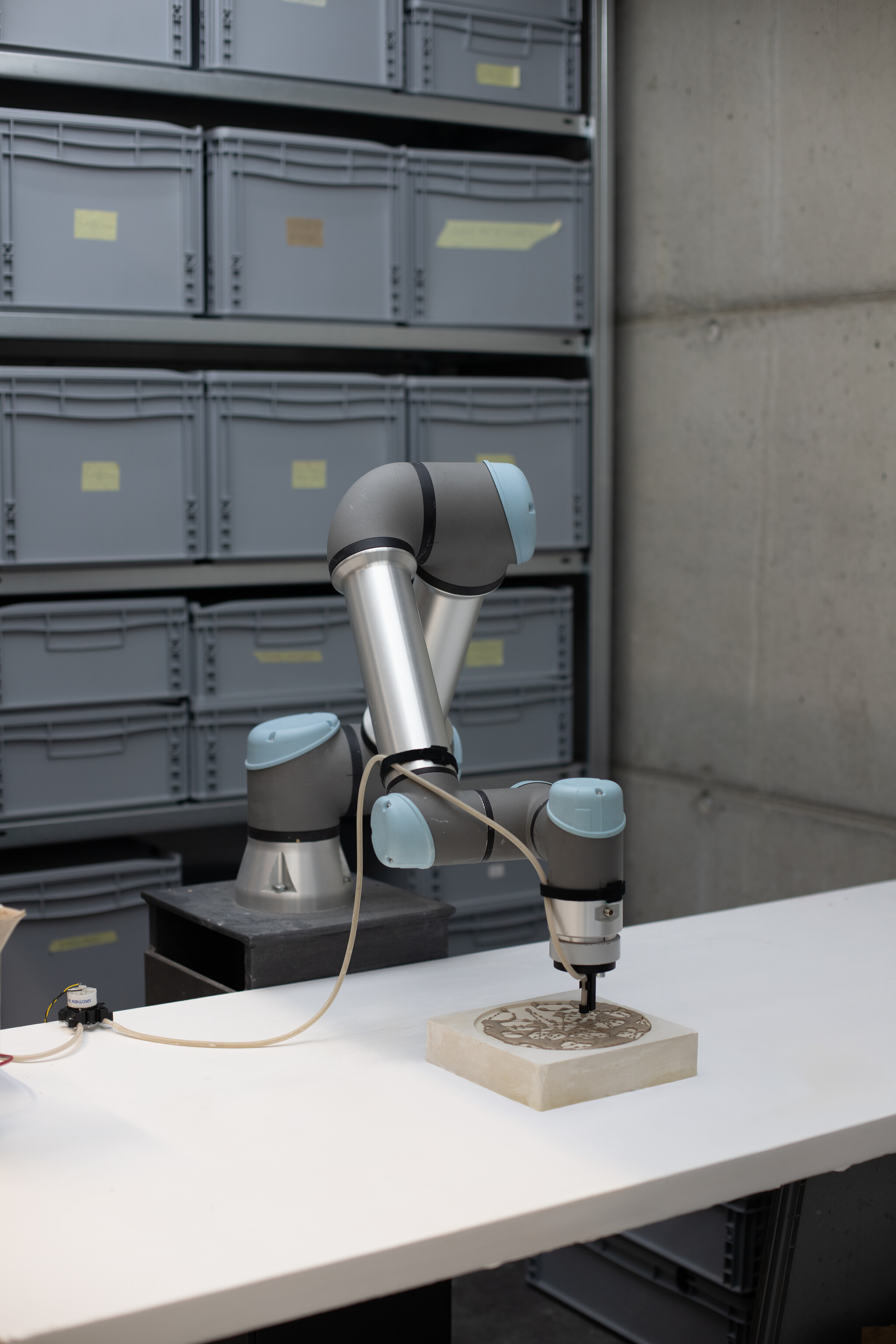
How can the interplay between digitally controlled robotic dripping and the natural material behavior of porcelain generate self organizing patterns, and how can these patterns be made spatially and visually experienced?
Alle Rechte vorbehalten Lion Votteler
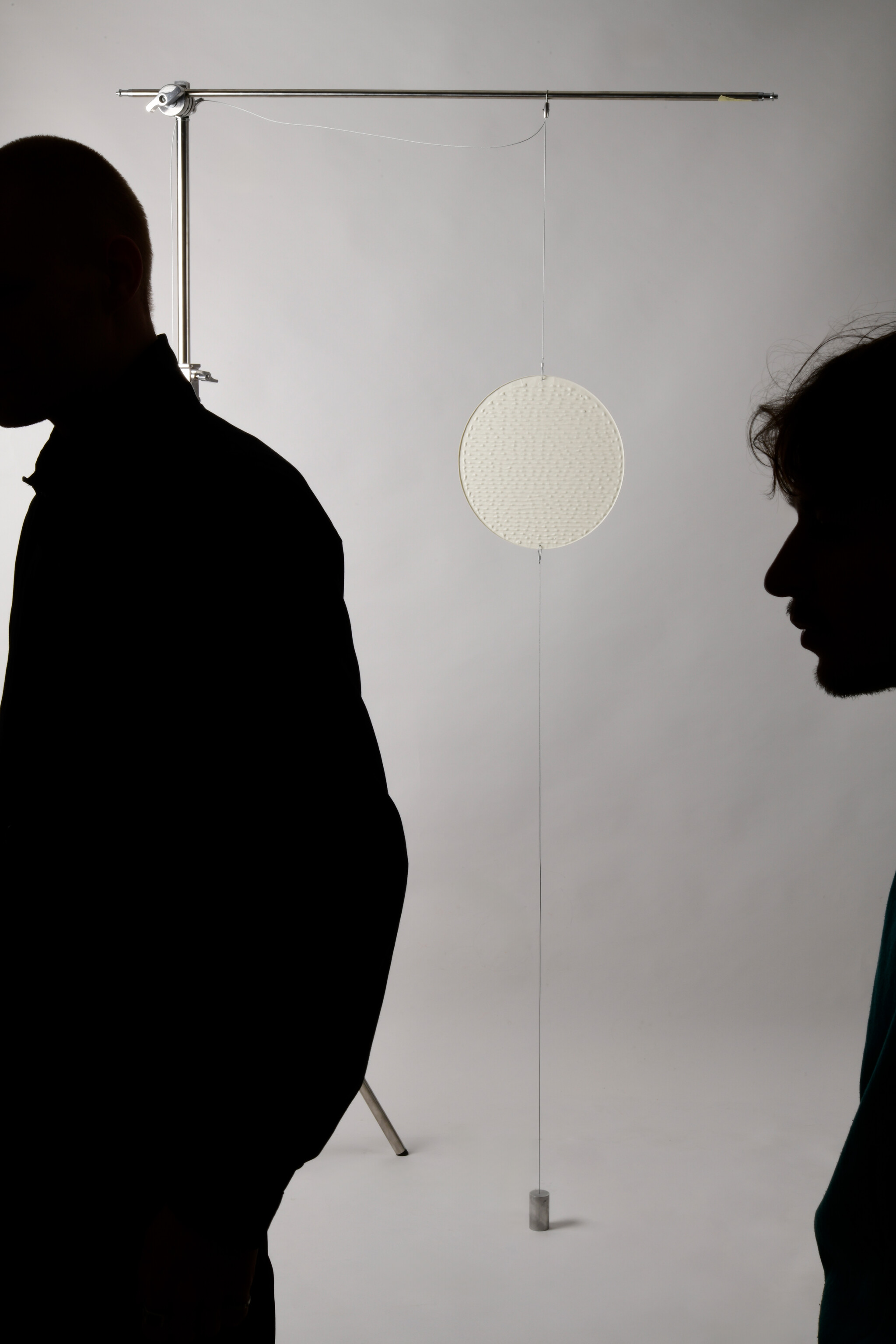
How can the interplay between digitally controlled robotic dripping and the natural material behavior of porcelain generate self organizing patterns, and how can these patterns be made spatially and visually experienced?
Alle Rechte vorbehalten Lion Votteler
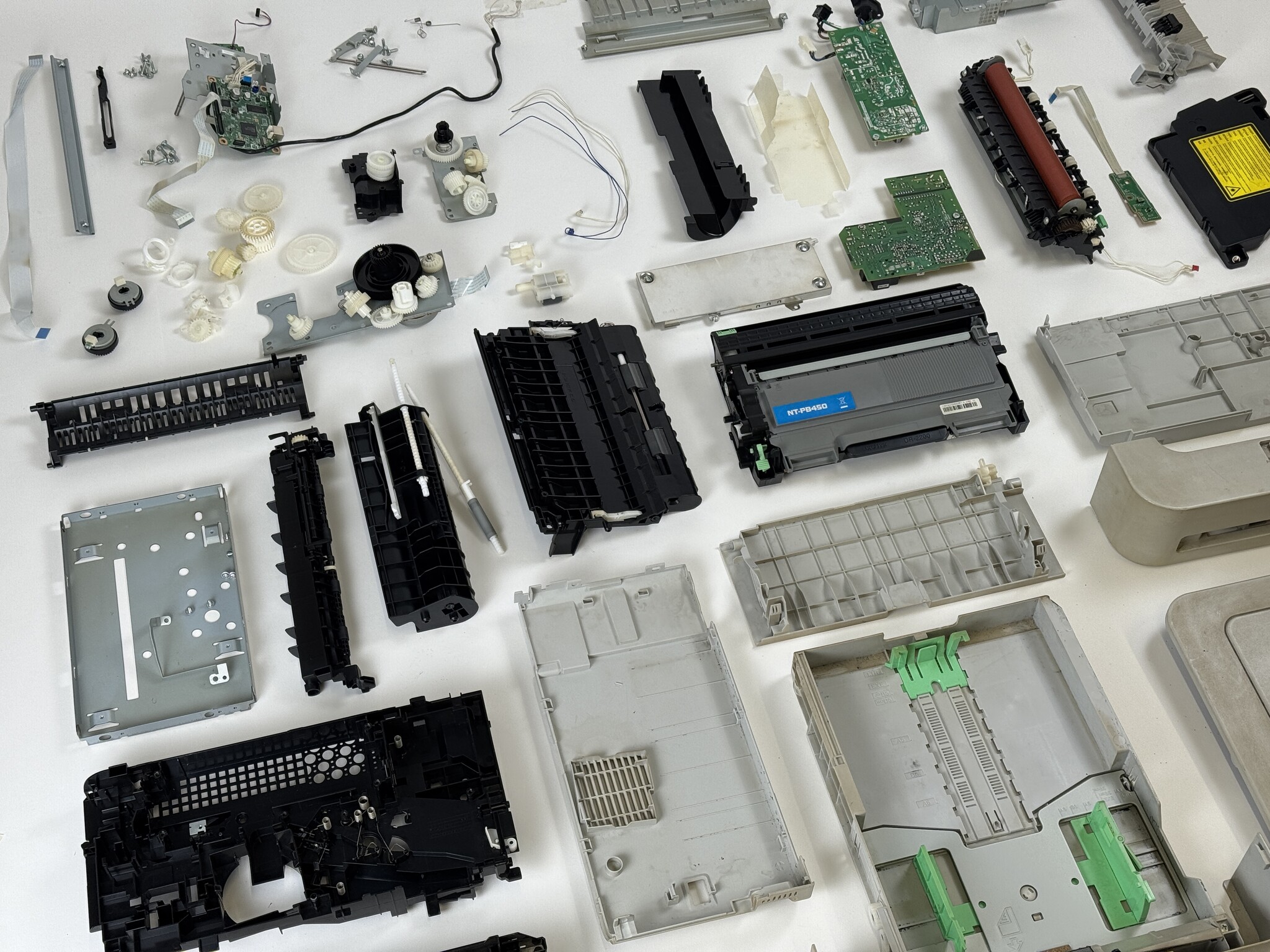
I walk through the streets of the city and encounter objects that have lost their value and now line the edges of the pavements. Around a corner, I come across a broken printer, and we embark on an adventure. At
the end of the journey, the printer is producing again and the paper folds into irregular patterns inside it.
Alle Rechte vorbehalten Jonathan Bläsi
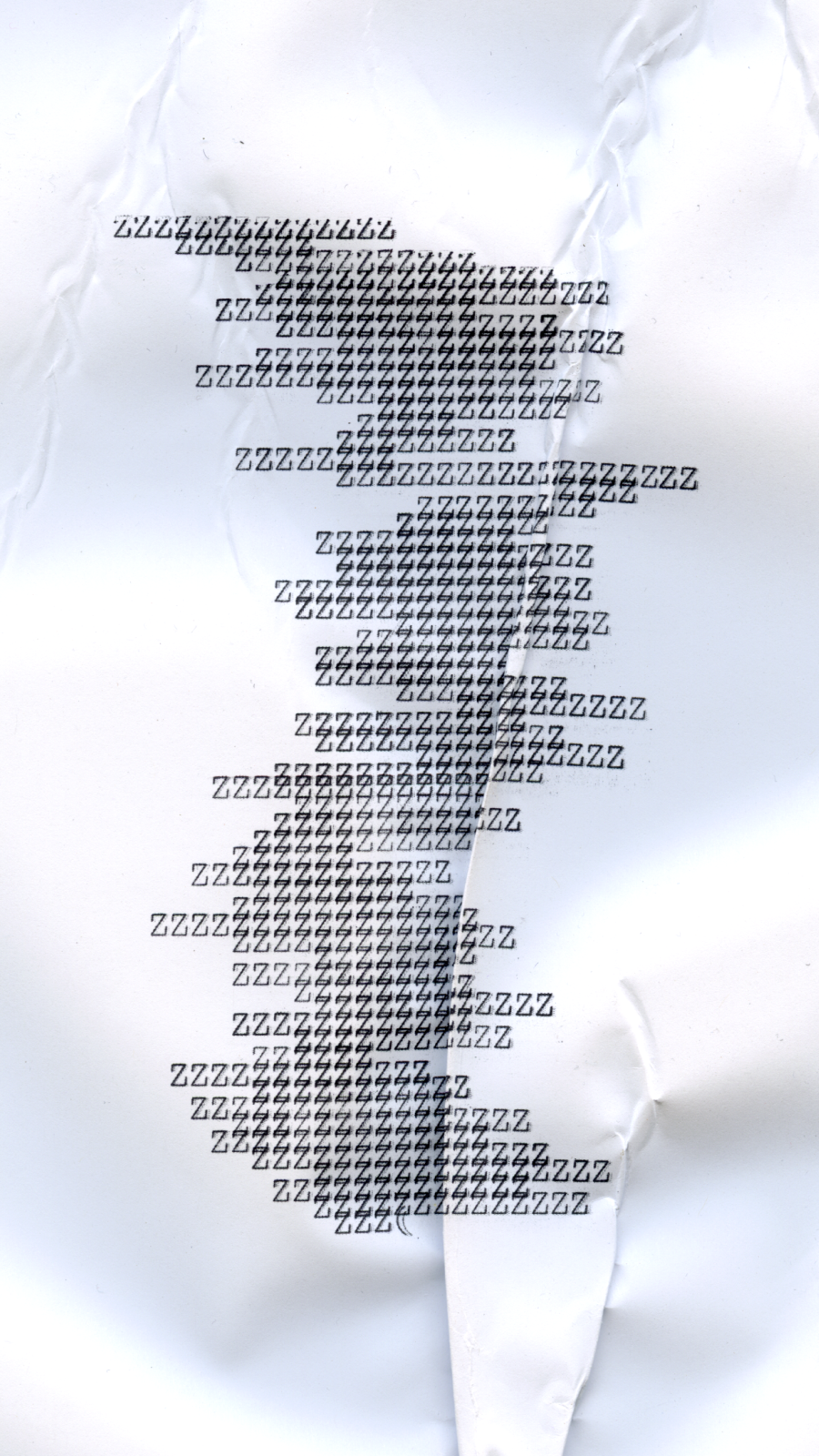
I walk through the streets of the city and encounter objects that have lost their value and now line the edges of the pavements. Around a corner, I come across a broken printer, and we embark on an adventure. At
the end of the journey, the printer is producing again and the paper folds into irregular patterns inside it.
Alle Rechte vorbehalten Jonathan Bläsi
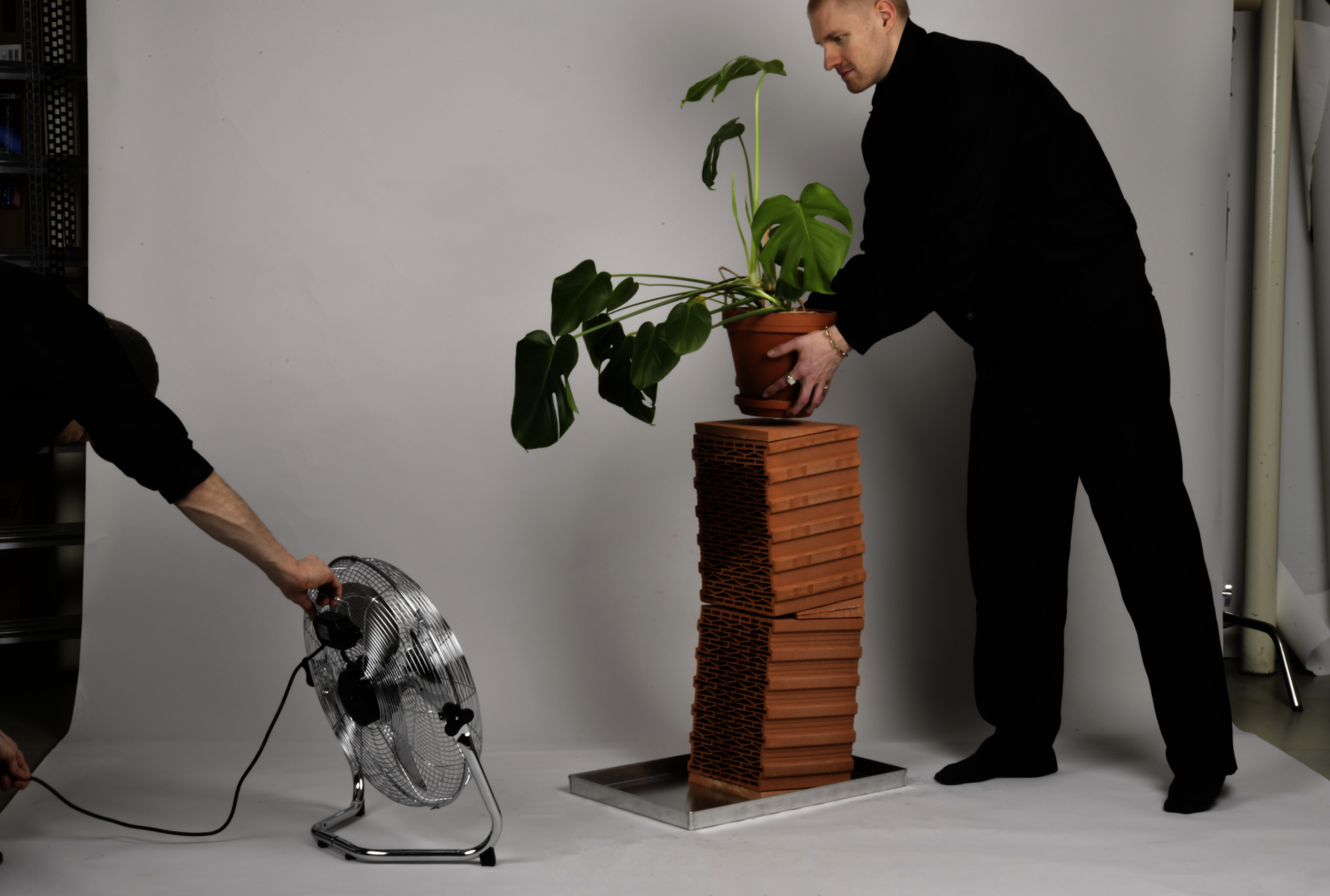
It’s hot – I go into the kitchen, fill up a jug and water the stones. The water spreads, trickles down their surfaces, and seeps into the clay with a soft crackling sound.
I start to wonder: Why do we use air conditioning systems that only contribute to global warming with
their immense energy consumption? Nature already provides a technology that the human body uses when it sweats. Water evaporates, drawing heat from its surroundings and thus creating cooling. We should take advantage of this! (...) Slowly, the heat subsides.
Alle Rechte vorbehalten Peter Wallrich
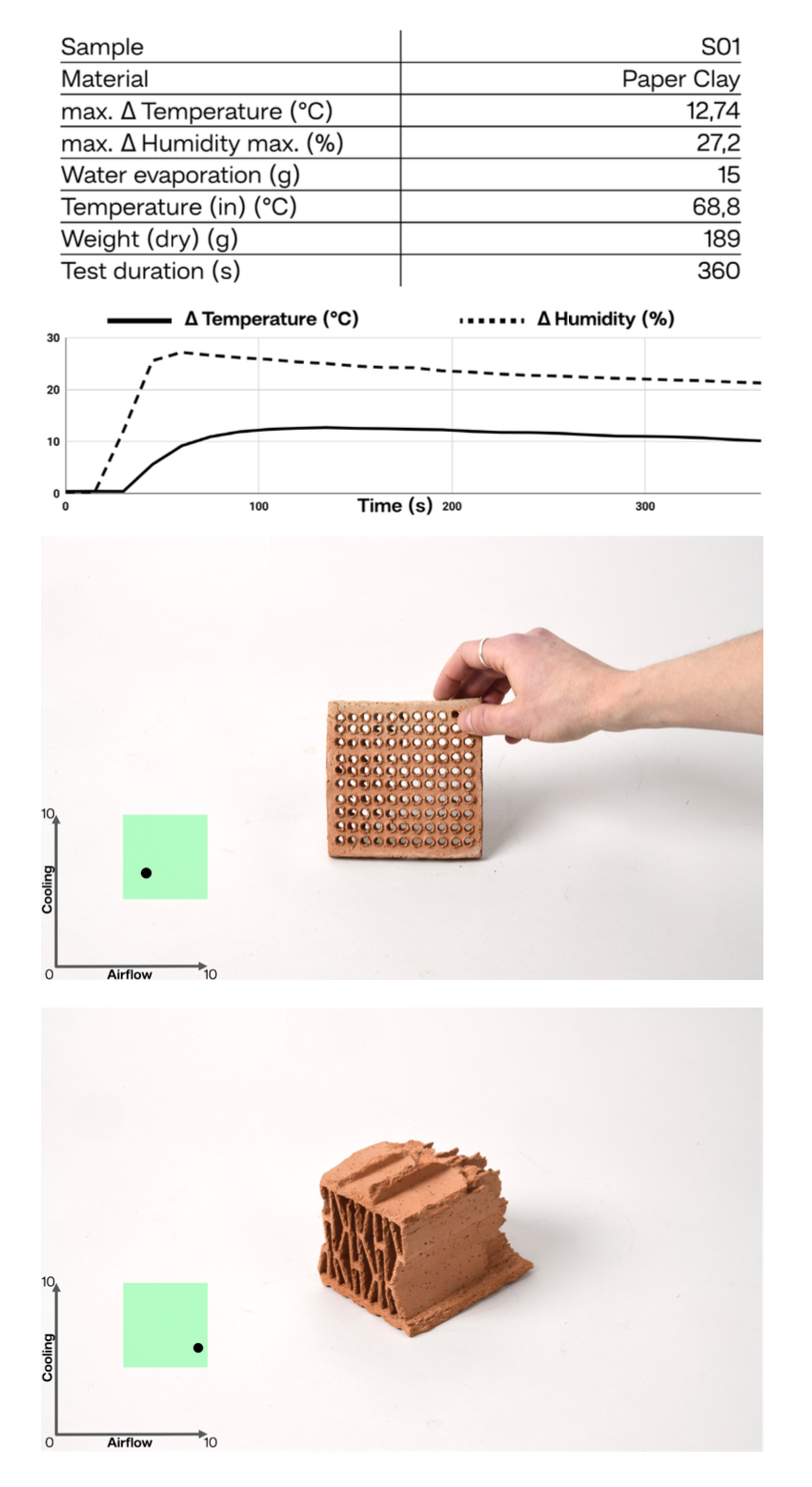
It’s hot – I go into the kitchen, fill up a jug and water the stones. The water spreads, trickles down their surfaces, and seeps into the clay with a soft crackling sound.
I start to wonder: Why do we use air conditioning systems that only contribute to global warming with
their immense energy consumption? Nature already provides a technology that the human body uses when it sweats. Water evaporates, drawing heat from its surroundings and thus creating cooling. We should take advantage of this! (...) Slowly, the heat subsides.
Alle Rechte vorbehalten Peter Wallrich
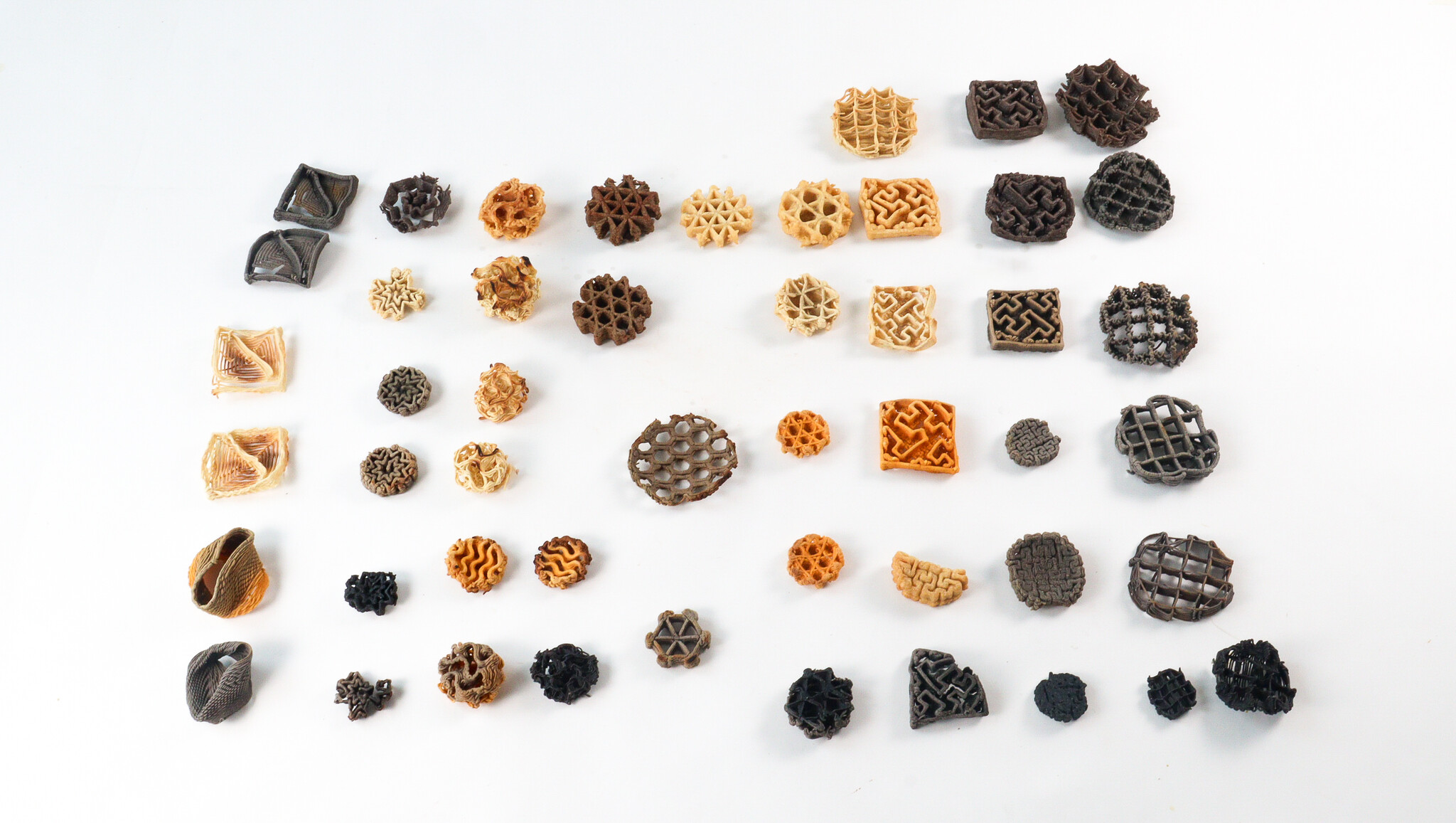
How can digital technologies coexist with
traditional, local practices as part of a desirable future?
Alle Rechte vorbehalten Luis Mendivil
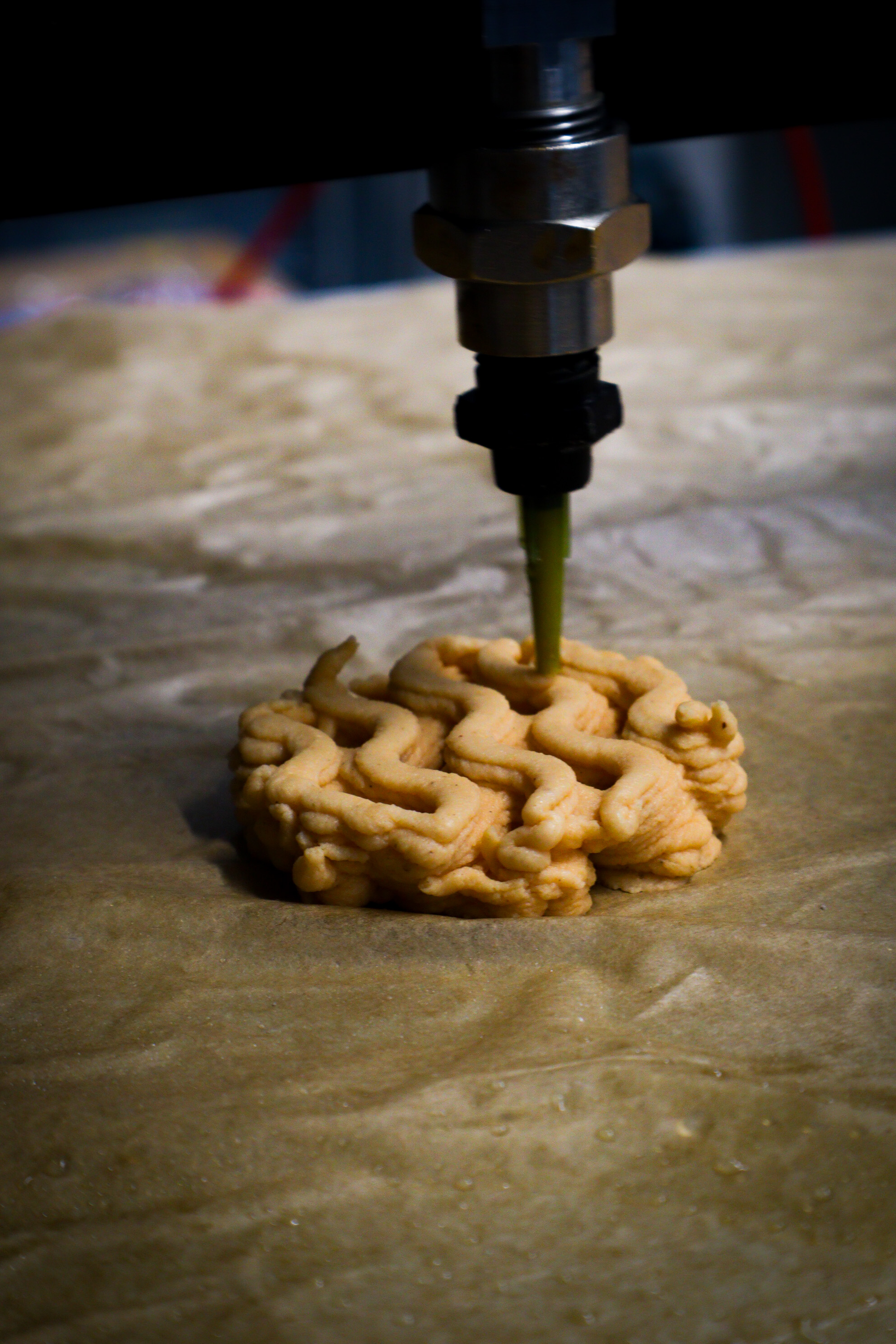
How can digital technologies coexist with
traditional, local practices as part of a desirable future?
Alle Rechte vorbehalten Luis Mendivil