Wintersemester 2025/2026, BA/MA Produkt-Design eLab , Exzellenzcluster
CONTEXTUAL UX | eLAB
Wir sind räumliche Wesen. Unsere Wahrnehmung, unser Gedächtnis und unsere Intelligenz sind tief mit dem Körper verbunden: Wir orientieren uns im Raum, erinnern uns durch Bewegung und vertrauen dem Wissen, das in unseren Muskeln gespeichert ist. Doch während sich unser Alltag zunehmend auf Bildschirme verlagert, werden reiche sinnliche Erfahrungen auf Tippen und Wischen reduziert – minimale Gesten, die unsere verkörperte Intelligenz weitgehend ignorieren.
In diesem Studio-Projekt erforschten wir, wie digitale Anwendungen und physische Produkte zu hybriden Objekten verschmelzen können – zu Dingen, die nicht nur gesehen, sondern auch gefühlt und erfahren werden.
Jedes Objekt nimmt einen Ort ein, trägt Kontext in sich und ist Teil von Routinen. Welche räumlichen Prinzipien sind denkbar – Nachbarschaft, Nähe, Berührung, Bewegung, Zeit? Welche Informationen können Objekte während der Handhabung sammeln – Muster, Dauer, Kombinationen? Und wie lassen sich diese Informationen nutzen, um Handlungen zu antizipieren und Objekte reagieren zu lassen? Diese Fragen leiteten unsere Erkundung neuer Arten interaktiver Artefakte.
Auch Apps wurden hier als physische Objekte verstanden, die mit ihrer Umgebung und mit uns interagieren. Das Projekt untersuchte, wie digitale Systeme alltägliche Interaktionen erweitern können, indem sie unsere räumlichen, haptischen und verkörperten Wissensformen ansprechen.
In Zusammenarbeit mit dem eLAB entwickelt, diente das Projekt als Labor für neue Interaktionsformen. Es forderte das Team heraus, Technologien zu gestalten, die die menschliche Wahrnehmung ernst nehmen – und intuitive, inklusive und ästhetisch reichhaltige Erfahrungen zu schaffen, die Körper, Raum und Technologie miteinander verbinden.
Das Studio-Projekt im Wintersemester 2025/26 begann mit einer Einführung in Tools wie Figma, ProtoPie und Arduino. Die Studierenden entwickelten und prototypisierten anschließend ihre eigenen Konzepte – mit sieben einzigartigen und inspirierenden Designprojekten als Ergebnis.
Betreut von Prof. Carola Zwick in Zusammenarbeit mit dem eLAB unter der Leitung von Simon von Schmude, mit einem begleitenden Figma-Workshop von Johannes Schmidt.
>>> contextualux.designing-interactions.de
........................................................
We are spatial beings. Our perception, memory, and intelligence are deeply connected to the body: we orient ourselves in space, remember through movement, and trust the knowledge stored in our muscles. Yet as our everyday lives shift increasingly onto screens, rich sensory experiences are flattened into tapping and swiping — minimal gestures that largely ignore our embodied intelligence.
In this studio project we explored how digital applications and physical products can merge into hybrid objects — things that are not only seen, but also felt and experienced. Even an app was understood here as a physical object that interacts with its surroundings and with us.
Every object occupies a location, carries context, and participates in routines. What spatial principles are conceivable — neighborhood, proximity, touch, movement, time? What information can objects collect during handling — patterns, duration, combinations? And how can this information be used to anticipate actions and make objects react? These questions guided our exploration into new types of interactive artifacts.
Developed in collaboration with eLAB, the project serves as a laboratory for new forms of interaction. It challenged the team to design technologies that take human perception seriously — creating intuitive, inclusive, and aesthetically rich experiences that connect body, space, and technology.
The studio project in the winter term 2025/26 started with introducing tools such as Figma, ProtoPie, and Arduino. Students then developed and prototyped their own concepts — culminating in seven unique and inspiring design projects.
Supervised by Prof. Carola Zwick in collaboration with the eLAB, led by Simon von Schmude with a supporting Figma workshop by Johannes Schmidt.
>>> contextualux.designing-interactions.de
Digital technologies have become an integral part of our daily lives, shaping how we work, connect, and spend our free time. Even at home, we carry our phones with us to make sure we don’t miss anything important. The strain, stress, and, in some cases, anxiety caused by the constant stream of information seem to have become an accepted part of our digital culture.
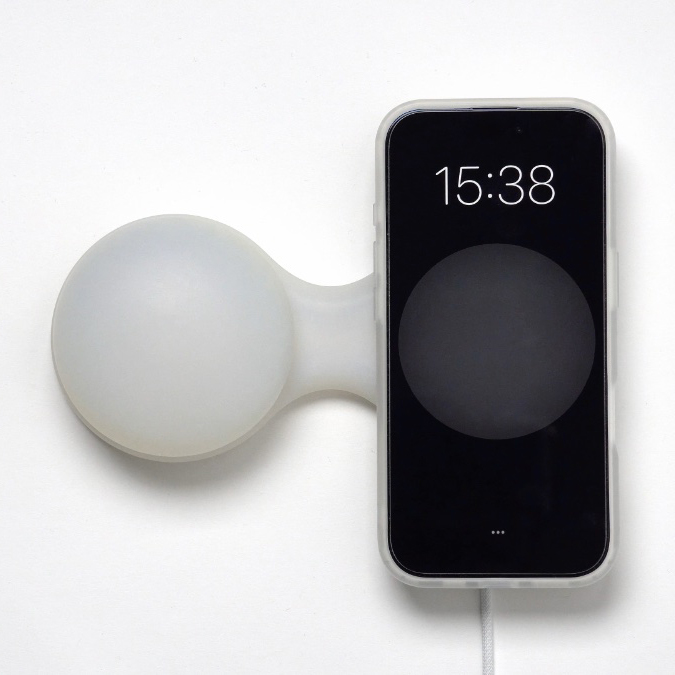
Pebble is designed to be an intermediary device between you and your phone while at home. It filters your incoming notifications through various layers to determine if, and how to alert you. By evaluating each notification’s sender, type, tone, and priority, Pebble classifies it as either valuable to you or just part of the constant buzz of our digital landscape.
Alle Rechte vorbehalten
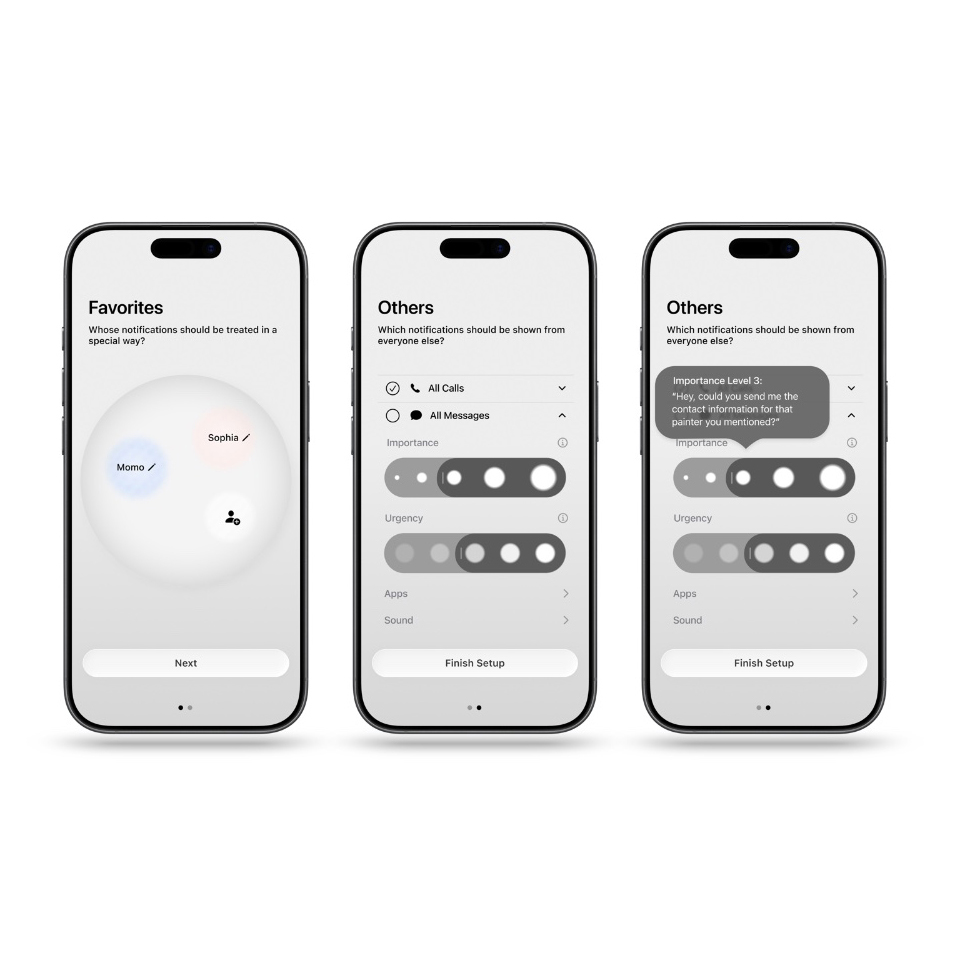
Upon coming home, you trade in your phone for Pebble, which then accompanies you throughout your home. Gentle light signals show when a notification deserves your attention, using changes in size, brightness, and color to convey urgency and importance. Your phone mirrors Pebble at the station so you can quickly review what you’ve received.
By cutting through constant digital distractions, Pebble helps you regain control of your attention and focus on what really matters.
Alle Rechte vorbehalten
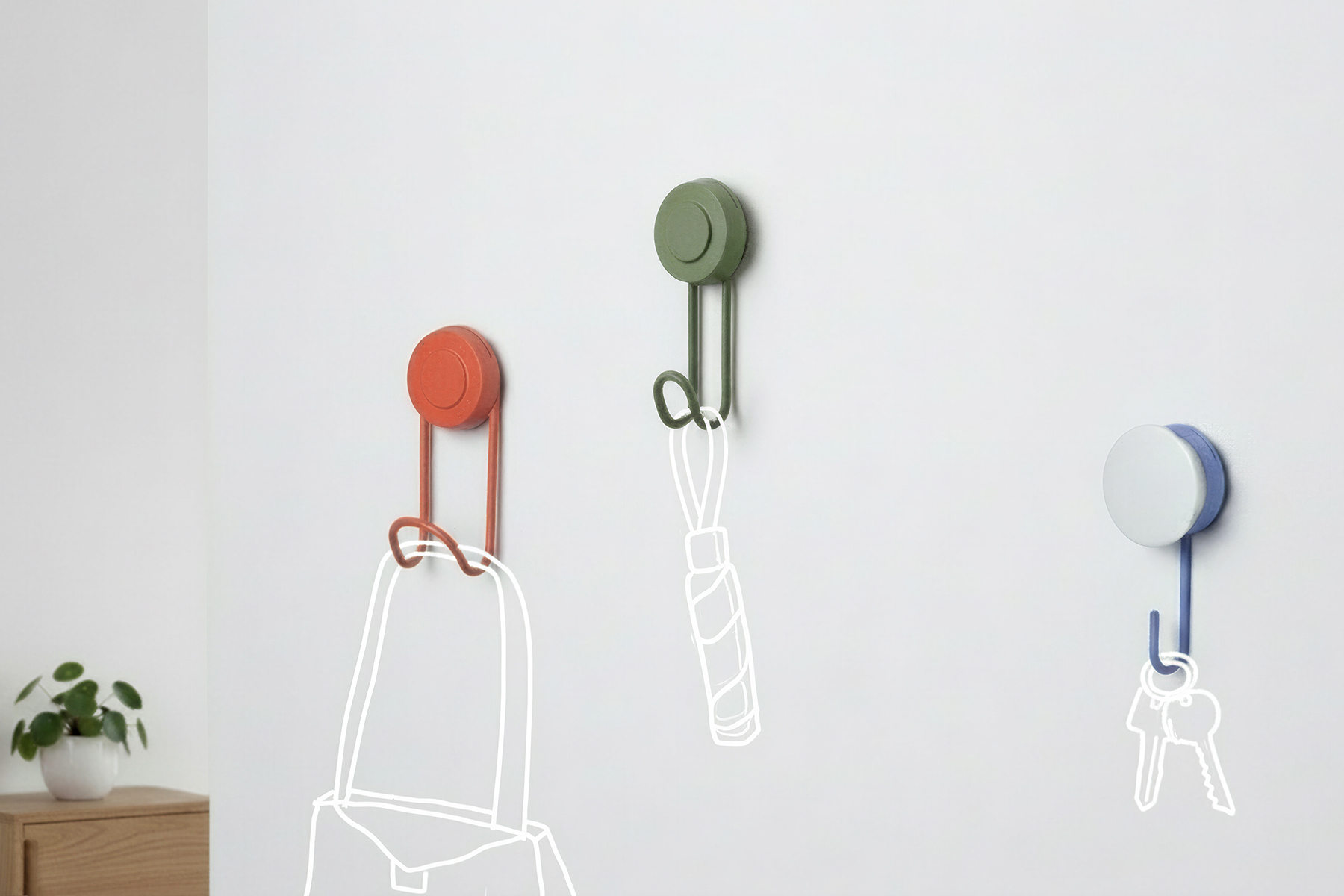
MemoMe is designed to support you in everyday life by gently reminding you of small but important things—like the tea in the kitchen or the plant that needs watering. We often forget tasks and routines we actually value, and instead automatically reach for our smartphones. MemoMe offers an analogue alternative that reduces screen time and turns reminders into something tangible.
Alle Rechte vorbehalten
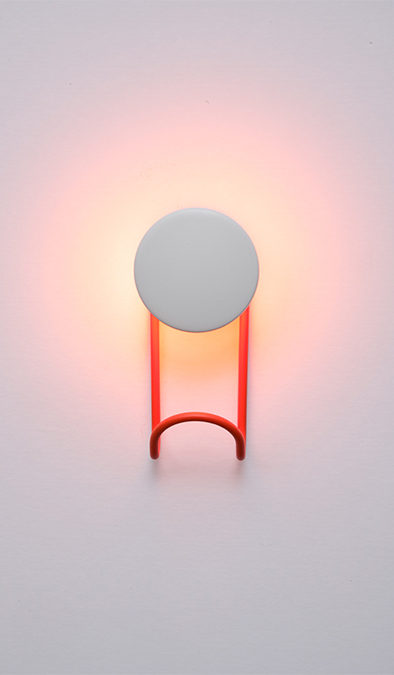
MemoMe is a physical hook system that reminds you through spatial and temporal cues. A chosen color becomes a visual signal, linked in your mind to a particular place, object, or person. With the Knob—a mobile companion—you can set timers or create connections between different places, helping you remember things naturally and at the right moment.
Alle Rechte vorbehalten
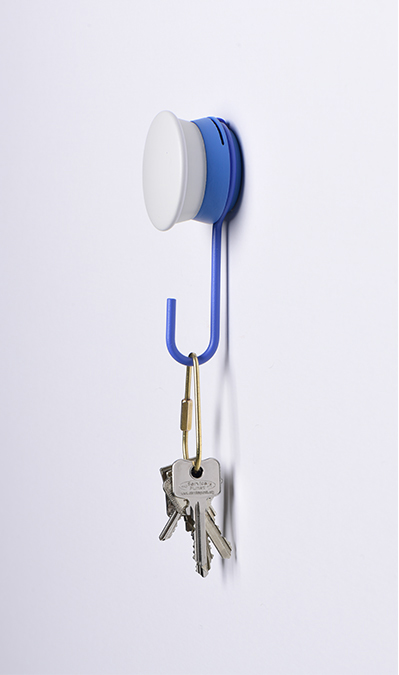
The MemoMe app provides gentle digital backup for setting routines, tracking habits, and showing system status—without demanding attention.
Alle Rechte vorbehalten
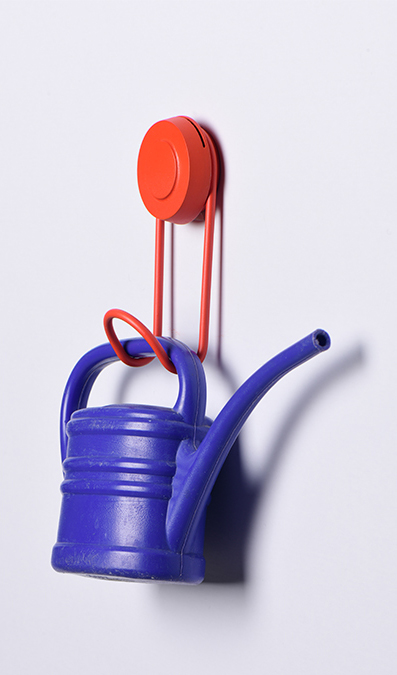
By blending analogue calm with minimal digital support, MemoMe brings a sense of delight to remembering.
Alle Rechte vorbehalten
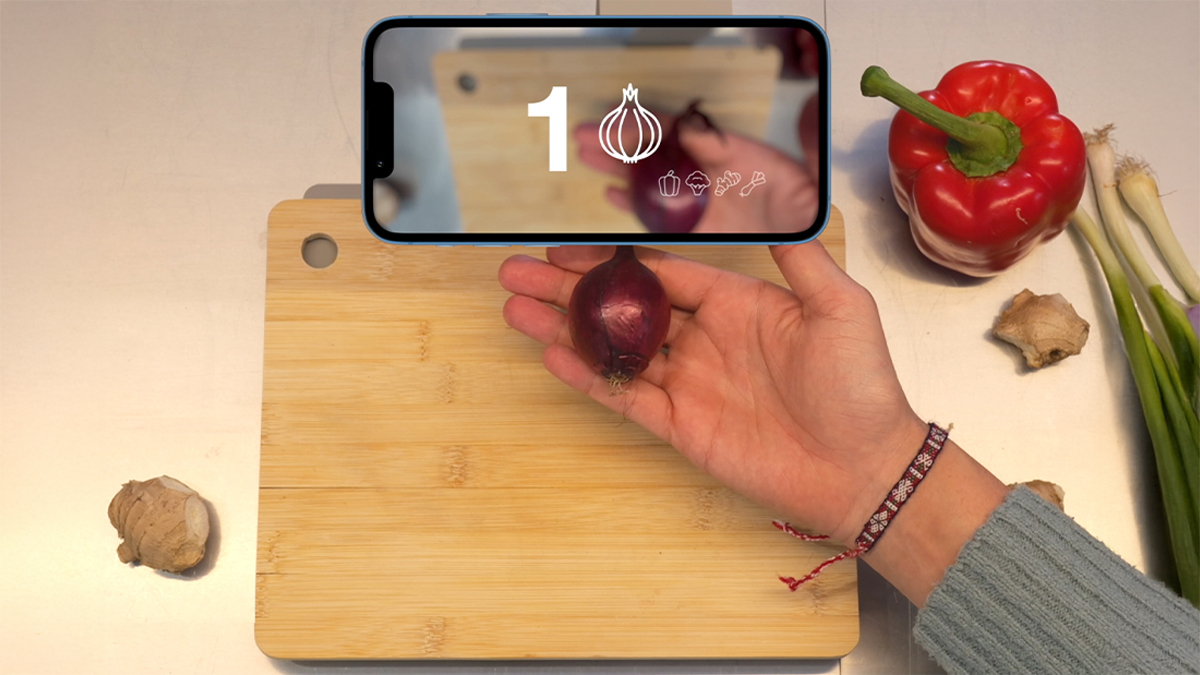
Choppiii is an intelligent cooking assistant designed to help people cook more often and with greater confidence. Many people enjoy the idea of cooking but struggle with inspiration or uncertainty when trying new dishes. Choppiii supports the cooking process in a natural and intuitive way, making everyday cooking feel more accessible.
Alle Rechte vorbehalten
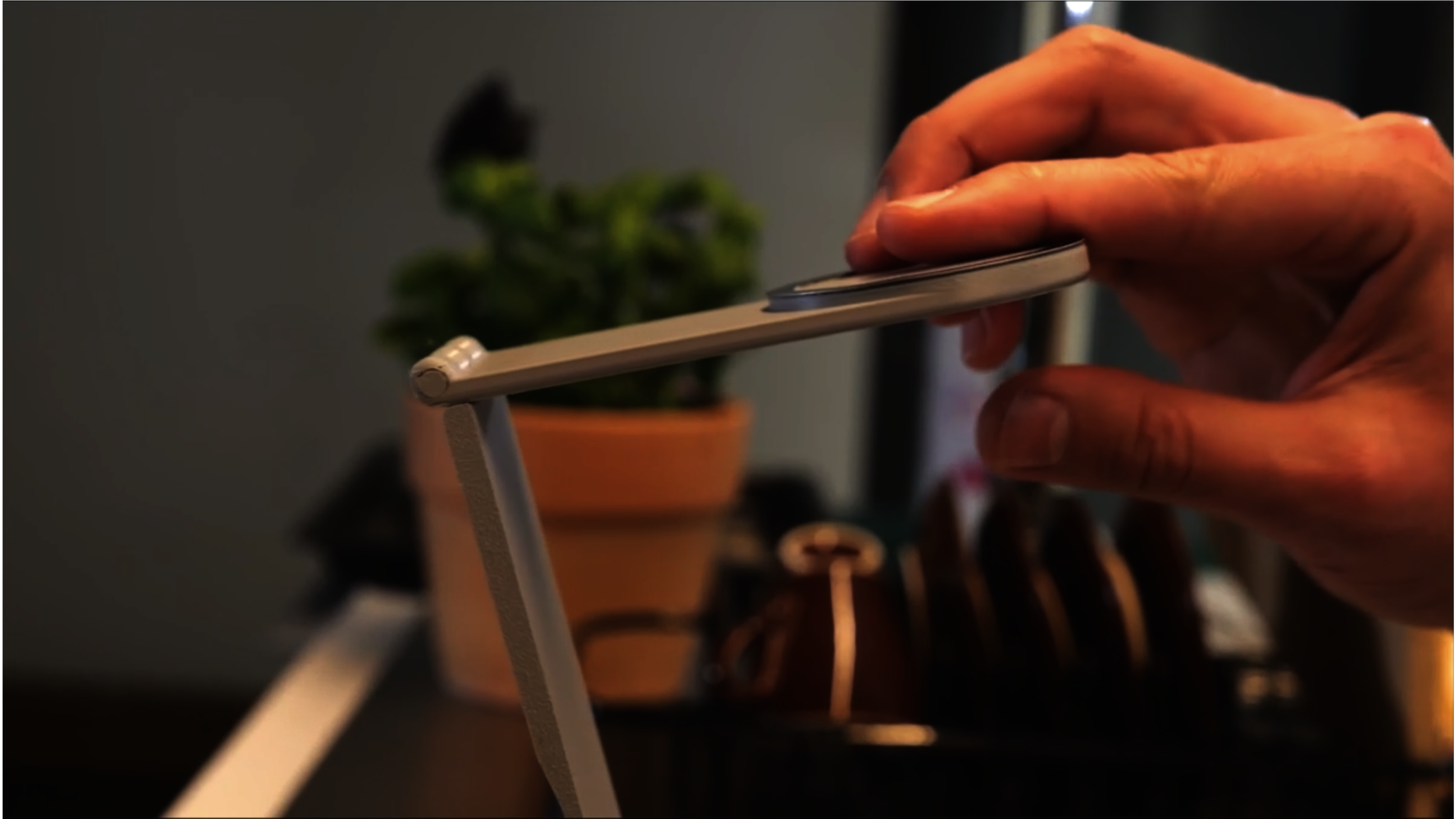
Choppiii is a combination of a mobile app with a dedicated scale and a phone holder. By using natural language processing, computer vision, and weighing sensors, Choppiii understands what is happening in the kitchen in real time. It recognizes available ingredients and tools and adapts suggestions to the user’s skill level. This allows recipes and guidance to fit the actual cooking situation.
Alle Rechte vorbehalten
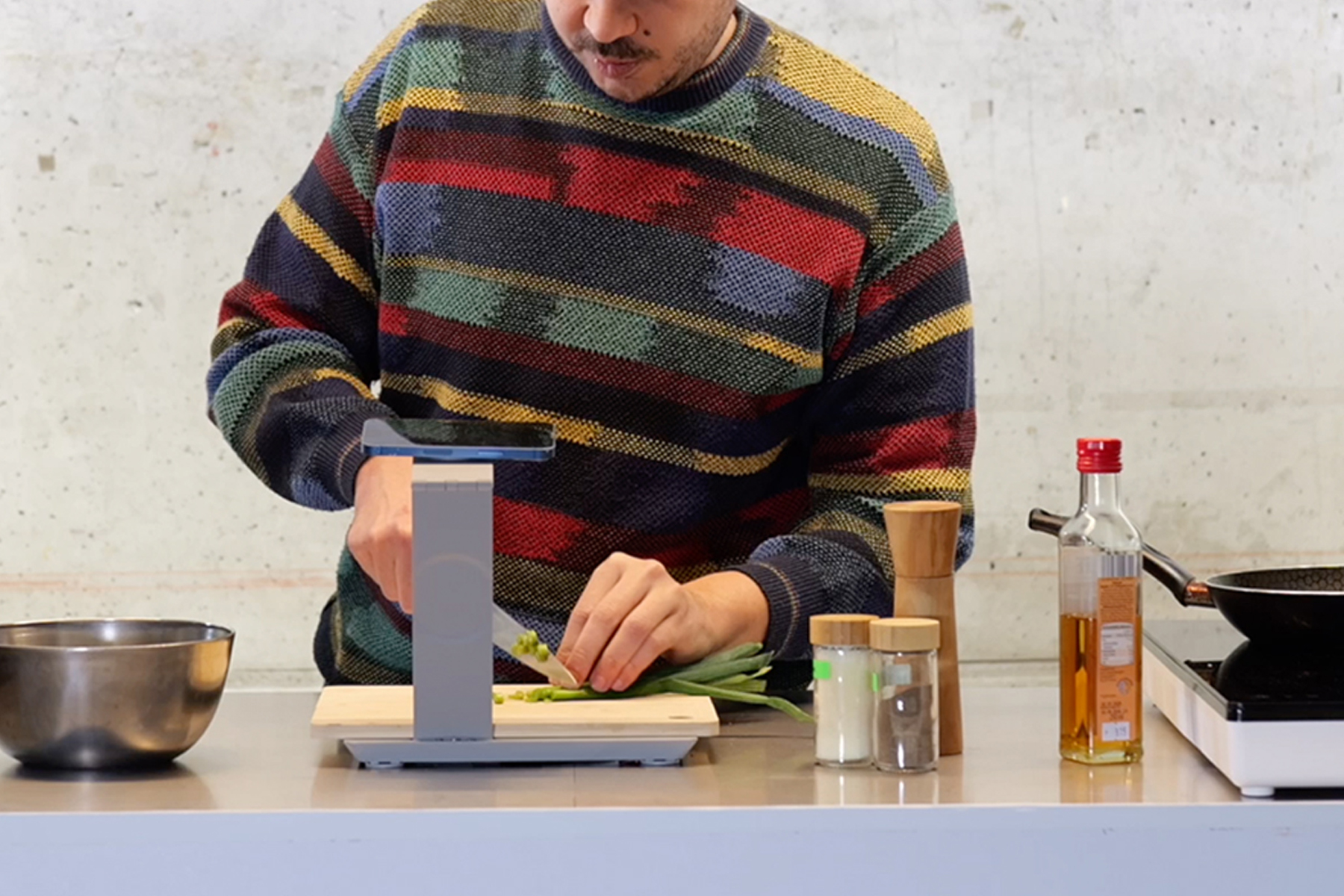
Choppiii supports different types of cooks. Beginners receive clear step by step assistance and answers to questions that arise during cooking. Intermediate users gain support with unfamiliar techniques while freely adapting meals to their own taste. Advanced cooks can use Choppiii as a quiet companion that documents their process and provides insight when needed.
The goal is to help users become more confident and curious in the kitchen over time. Choppiii enhances the cooking experience only when support is needed and stays in the background otherwise, creating a calm and intuitive companion that encourages learning, experimentation, and enjoyment in cooking.
Alle Rechte vorbehalten
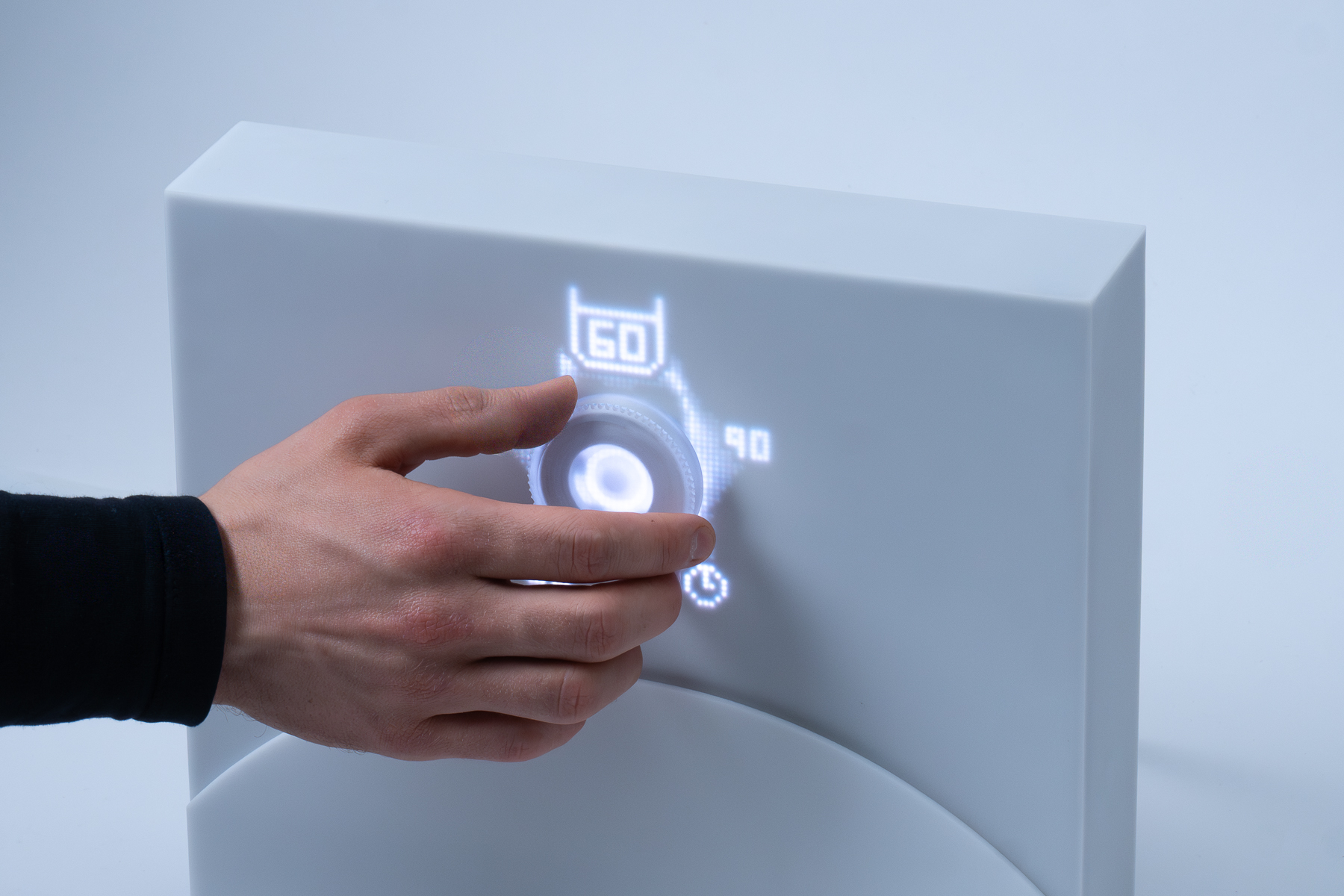
ANY is a universal control system designed for any electronic device, merging the tactile precision of physi‐ cal buttons with the flexibility of smart touch interfaces. Its neo‐analog gesture combines digital adaptability with a physical sense of control, offering the best of both worlds ‐ an intuitive, user‐oriented interaction that feels natural and engaging.
Alle Rechte vorbehalten
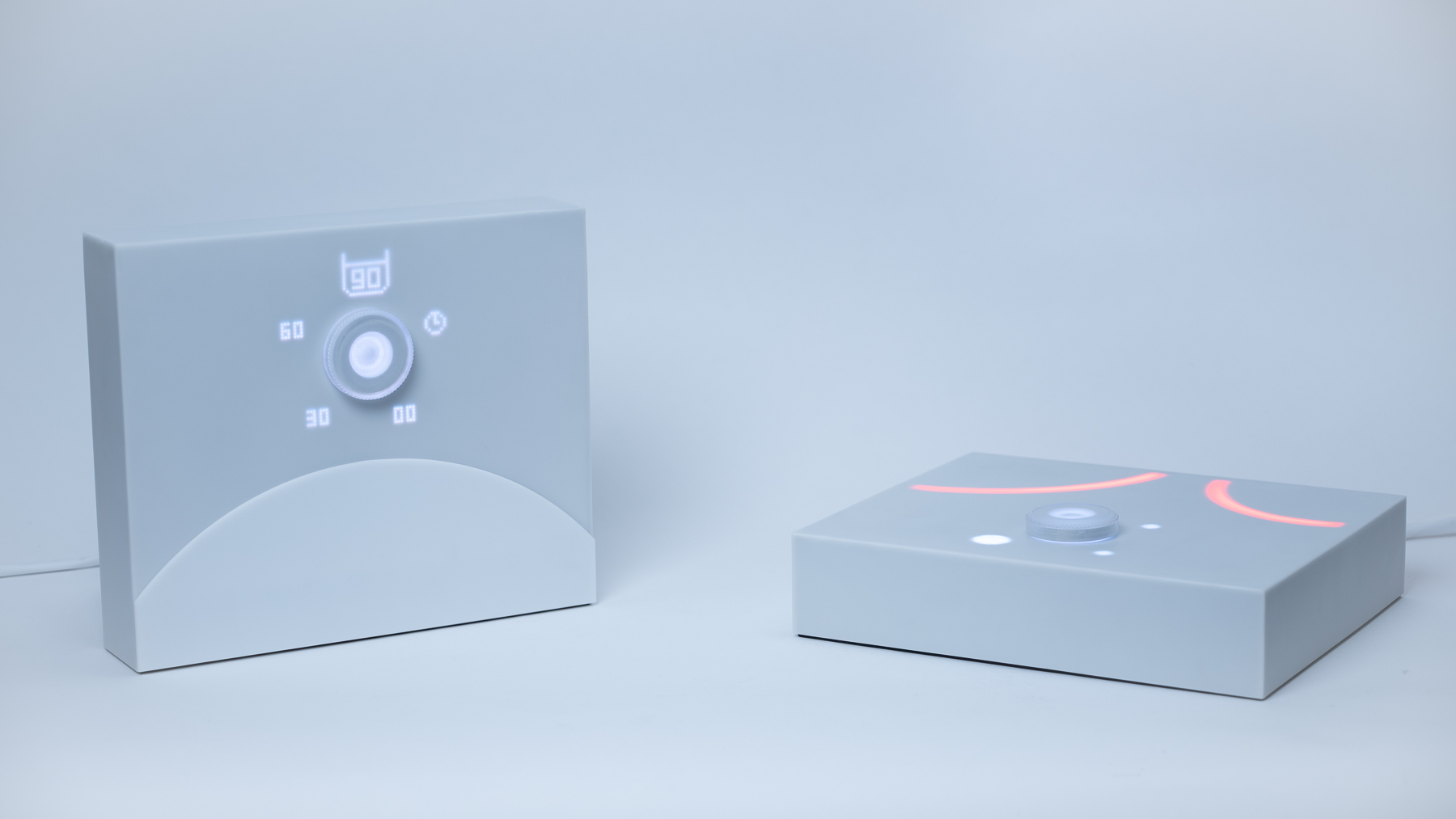
The system centers on a detachable rotary knob connected to a display embedded behind the device surface. Its bright LEDs shine through the material, creating a seamless, closed front that is easy to clean and supports a modern, minimal aesthetic. The knob enables rotation and pressing gestures, while the dynamic display presents context‐aware symbols, modes, and feedback.
Alle Rechte vorbehalten
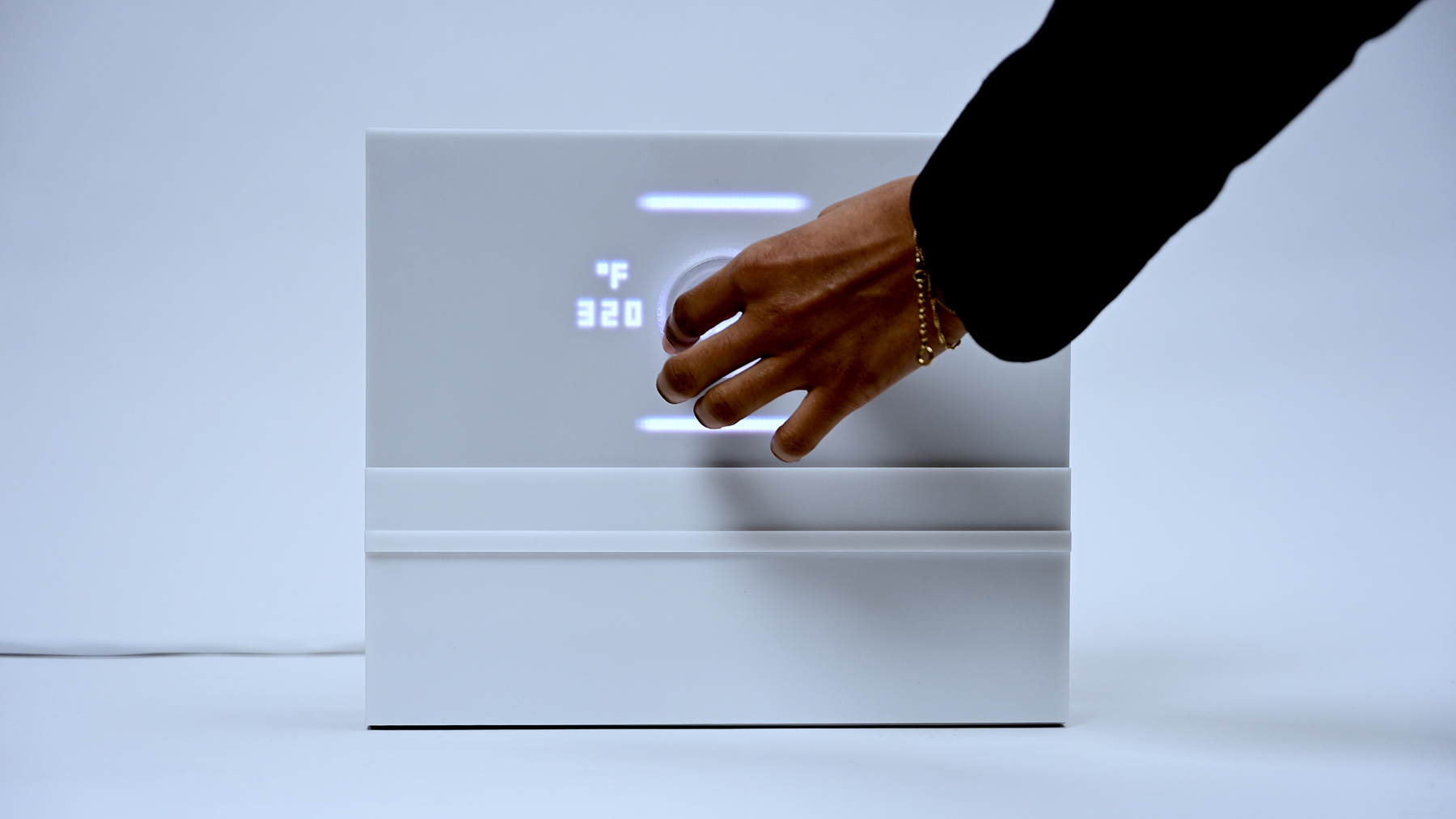
Haptic feedback is precisely tuned to the context, simulating realistic tactile sensations such as a firm click when selecting a function or the gradual resistance of winding a timer.
Alle Rechte vorbehalten
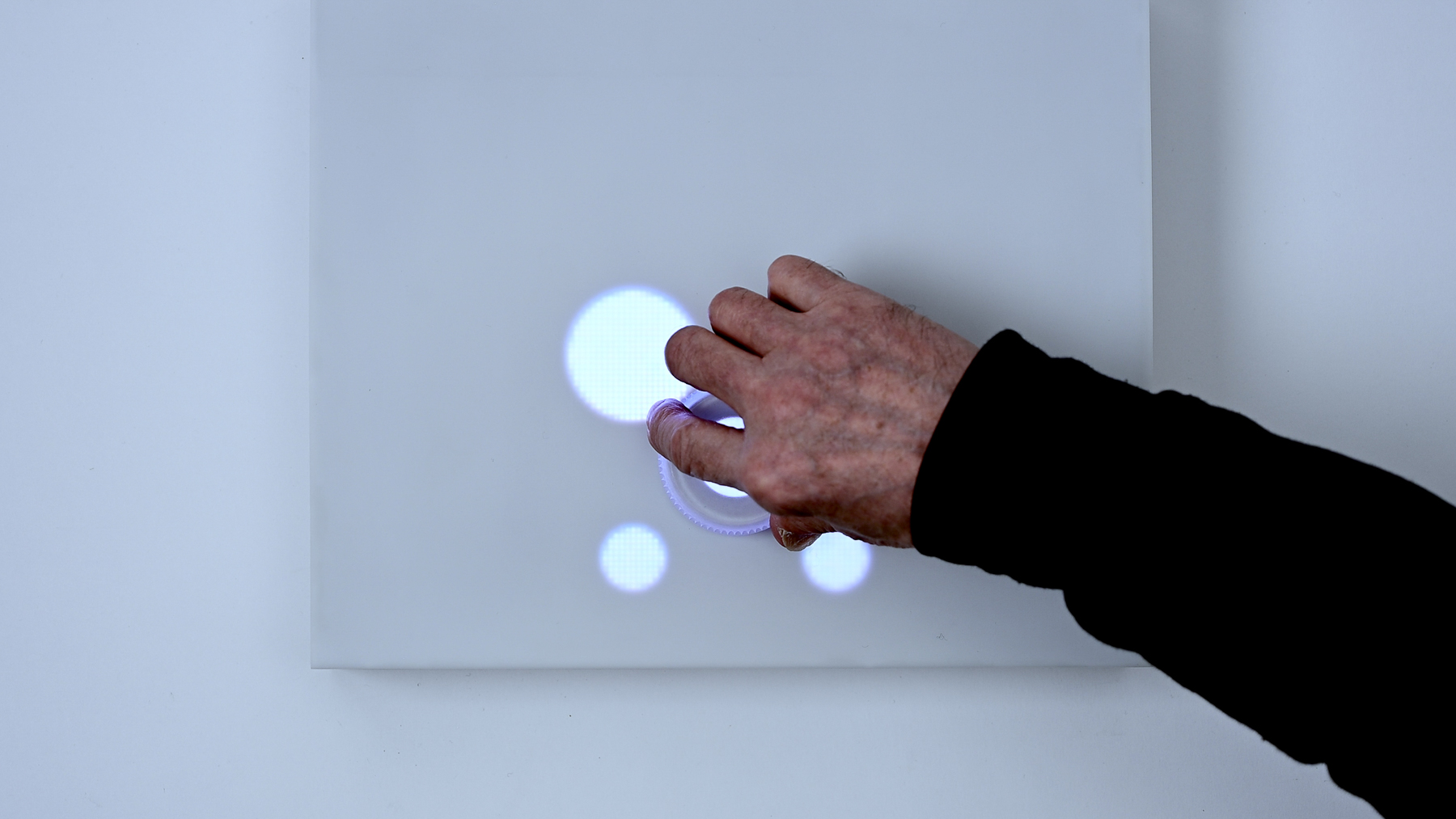
Both the physical and digital layers are fully adjustable, allowing the layout, brightness, and control behavior to adapt to different devices and user preferences. Designed with adaptability in mind, users with arthritis can reduce rotation resistance, while those with visual impairments can enlarge symbols for better visibility. ANY extends beyond consumer electronics into industrial or medical environments providing precision and hygiene.
Alle Rechte vorbehalten
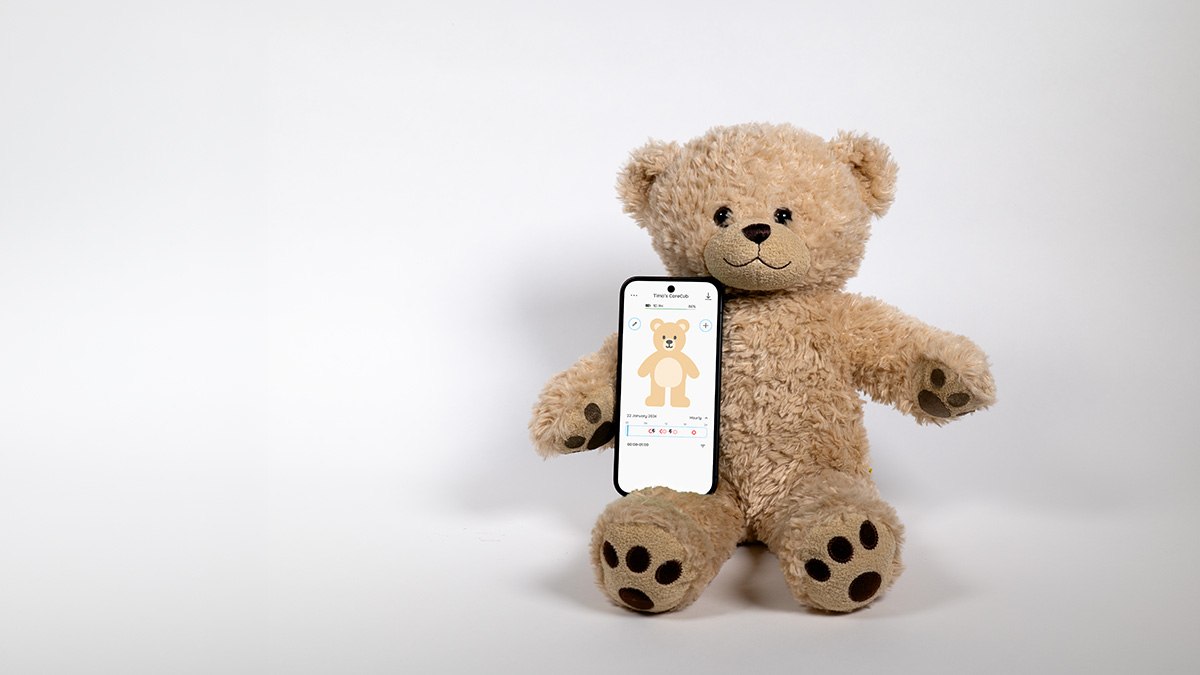
CareCub is a health-logging device for children with chronic conditions, designed to help them communicate symptoms and actively participate in their own care. It transforms a child’s subjective feelings into objective medical data.
Alle Rechte vorbehalten
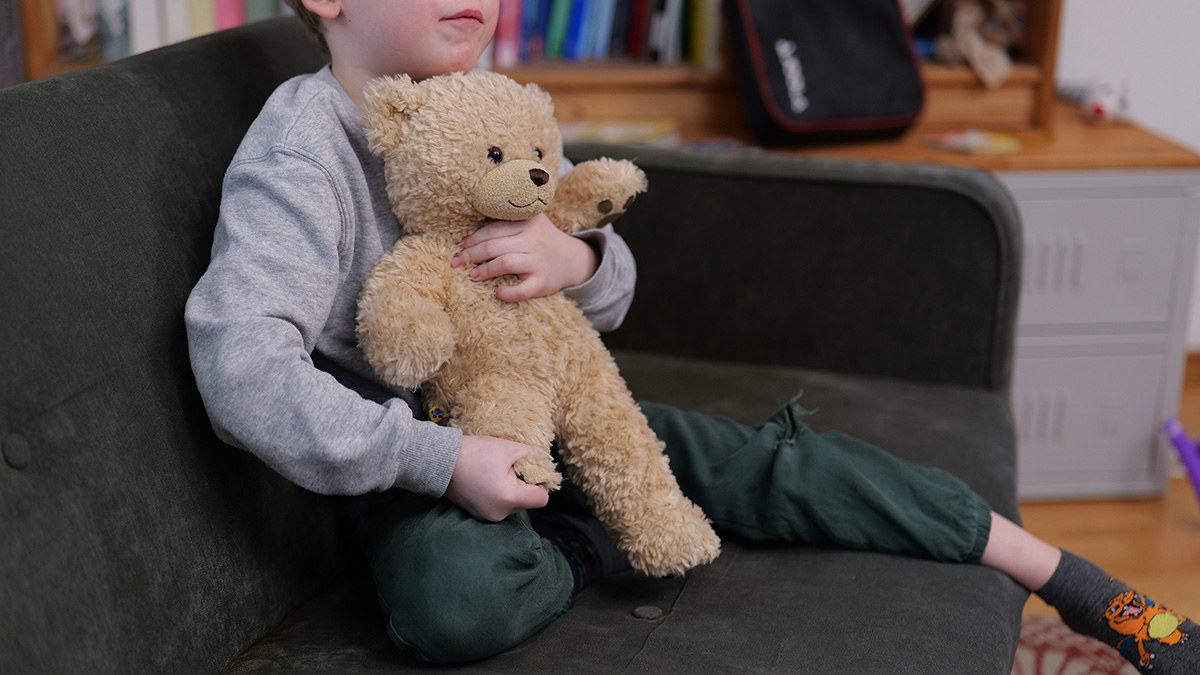
Many chronic conditions—such as arthritis, eczema, or allergies—require consistent symptom tracking. However, current methods rely heavily on parents’ memory and interpretation. In medical settings, children often become passive observers, while anxiety and limited vocabulary make it difficult for them to describe how they feel. As a result, parents must act as manual data loggers, recalling symptoms and potential triggers, which can lead to stressful, time-consuming, and patchy reporting.
Alle Rechte vorbehalten
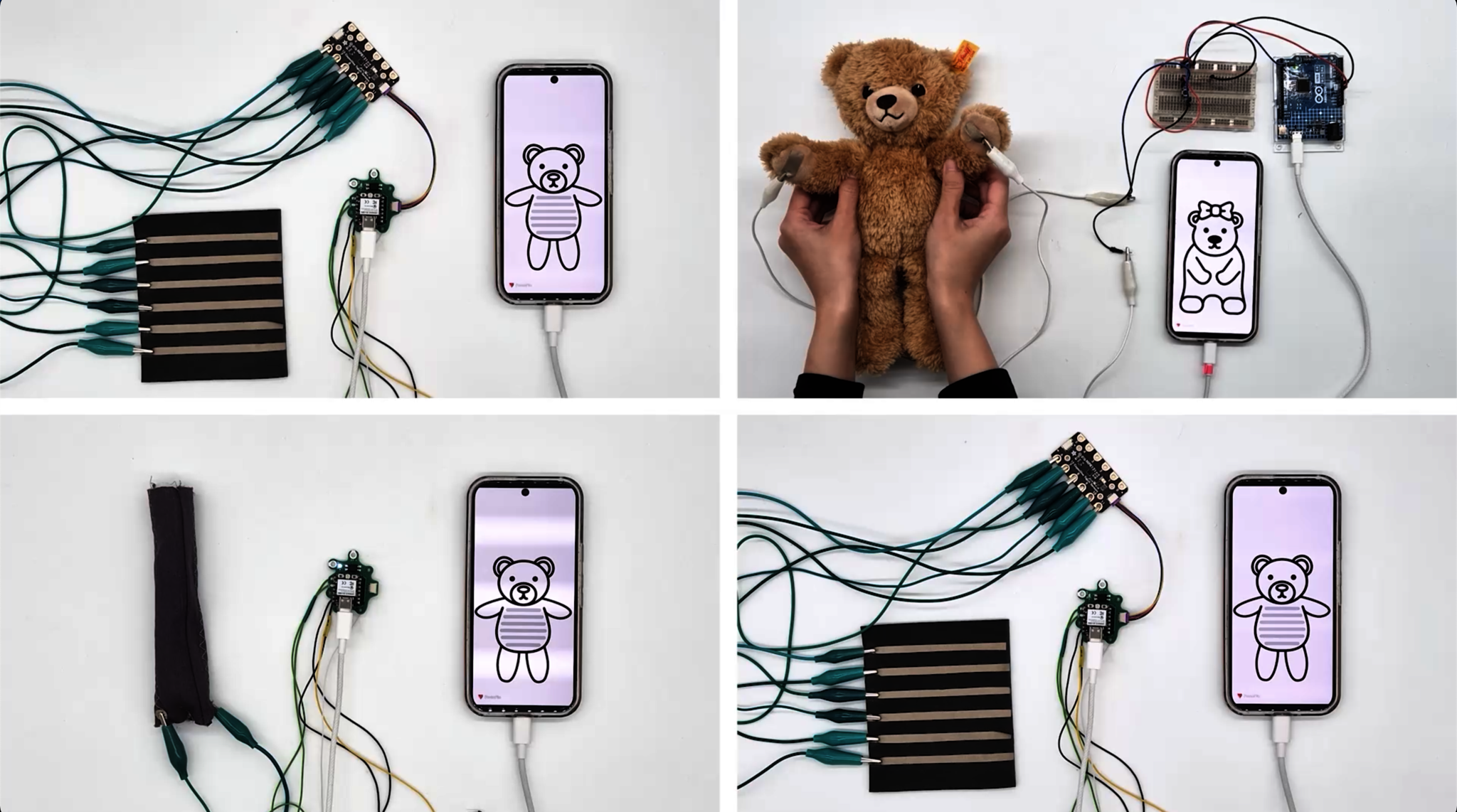
Inspired by the teddy-bear hospital program, CareCub introduces a teddy bear as a playful logging device for children aged 3-7. When a symptom occurs, the child interacts with the bear using simple gestures to indicate what they feel and where it occurs. Embedded capacitive sensors and conductive materials inside the bear detect these gestures. The meaning of each gesture can be personalised, forming a “secret language” between the child and parent—for example, squeezing the arm might represent pain for one child and soreness for another. With machine learning, the system can also capture subtle nuances in gesture intensity and touchpoints.
All inputs are recorded in a companion app that visualises heatmaps, timelines, and symptom patterns across daily, weekly, and monthly views, helping parents and doctors identify triggers and evaluate treatments. By translating gestures into structured data, CareCub reduces the burden on parents, empowers children to communicate through intuitive interaction, and provides doctors with clearer data for better treatment.
Alle Rechte vorbehalten
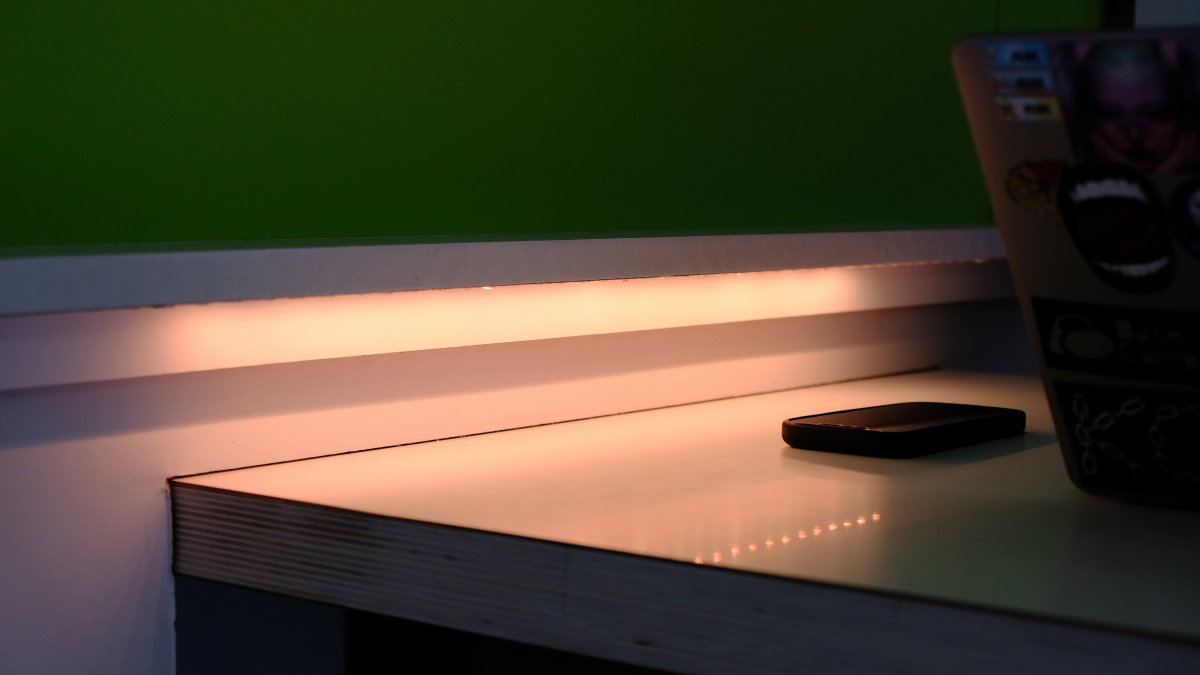
We live in a globalized world and are more tightly connected than ever before. This connection is not only digital via our smartphones, but above all physical, supported by an increasingly dense transportation network. Traveling frequently has become the norm: in 2024, Deutsche Bahn recorded over 24 million passengers on international long-distance routes—a trend that has continued steadily to this day.
Alle Rechte vorbehalten
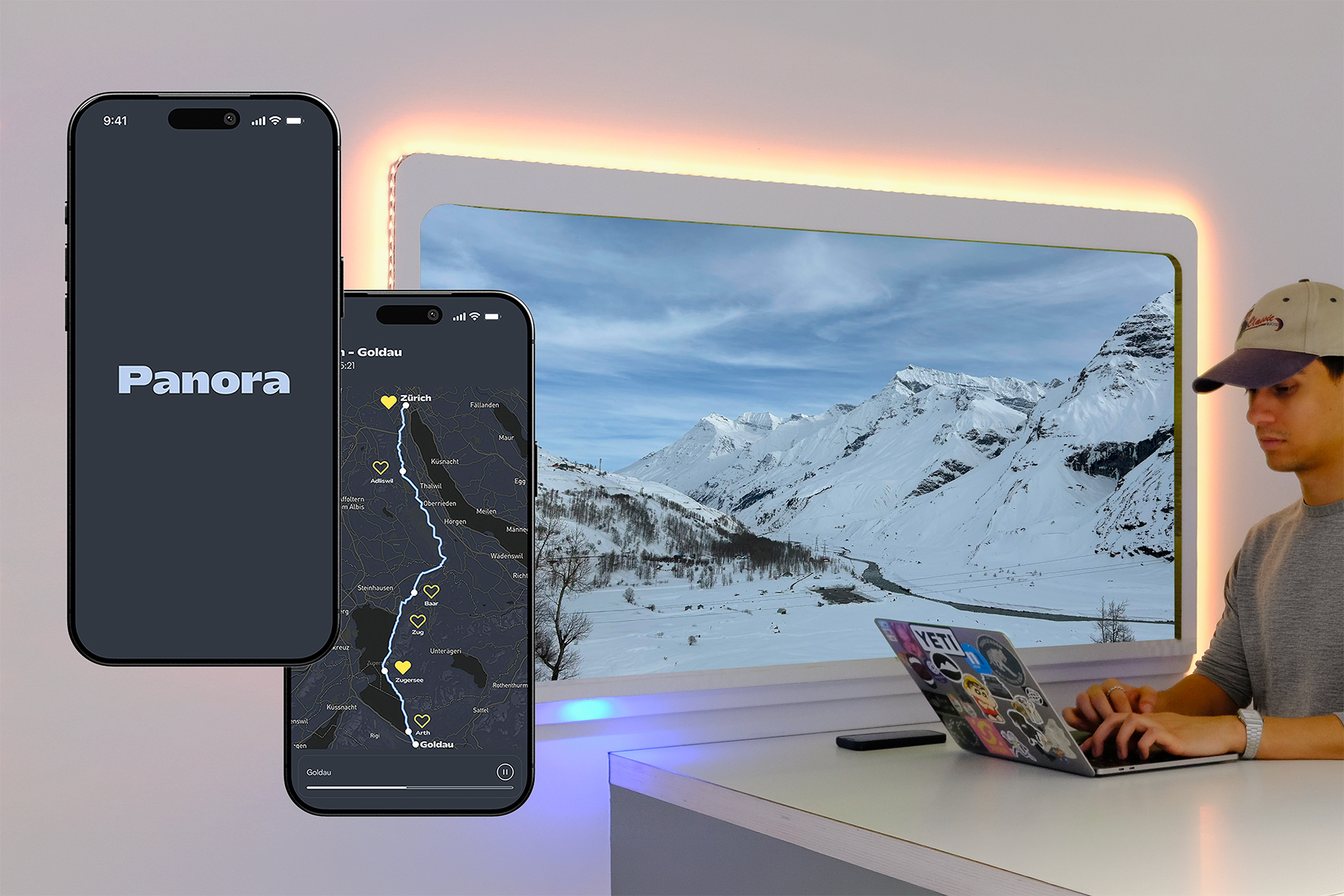
Yet despite this development, the way we travel has hardly changed. Trains often seem to mimic air travel, functioning primarily as a means of transport, even though the journey itself holds far greater potential.
How different could travel be if train windows became a portal between the passing outside world and the train interior?
Alle Rechte vorbehalten
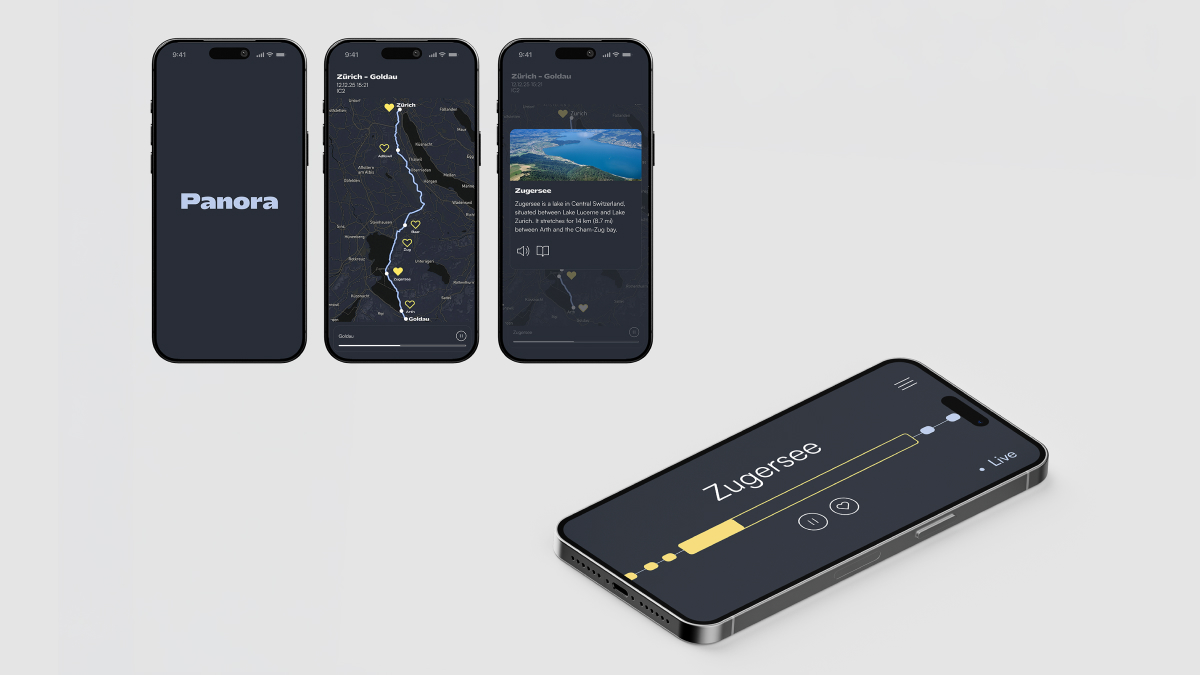
The traveler’s smartphone serves as a medium for conscious interaction. Placed in a designated spot, it provides real-time information about nearby sights based on the train’s route and location. Neo-analog gestures allow travelers to respond immediately and share this experience with fellow passengers nearby.
Panora makes travel more engaging and offers contextual education that is freely accessible to all passengers.
Alle Rechte vorbehalten
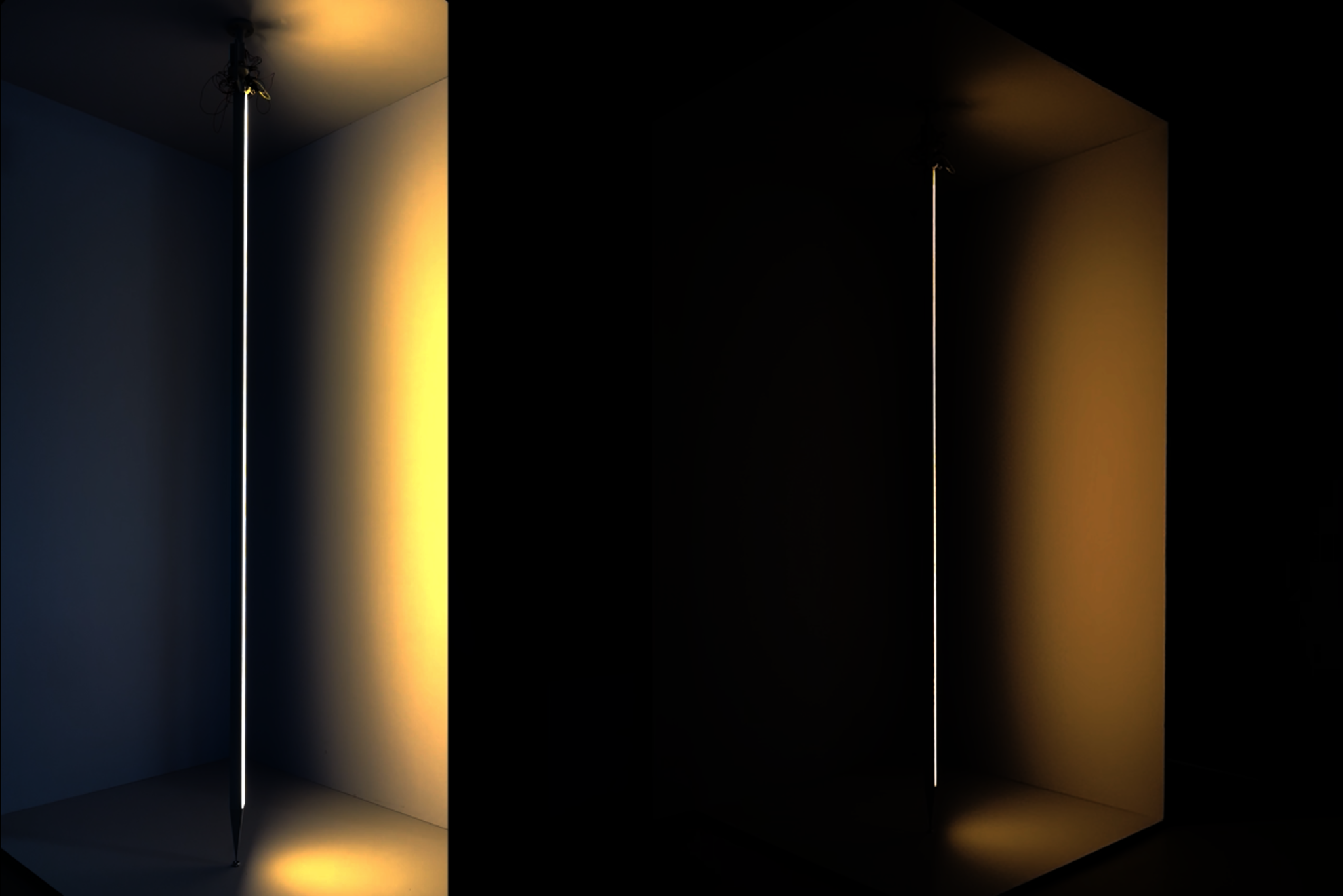
Beam is an interactive light sculpture that responds to bodies in motion. When a person approaches, the floor-to-ceiling object turns away, concealing its illuminated side — almost as if it were shy, wishing to hide something.
Through the integration of a sensor and a motor, its rotational motion — and therefore its light expression — directly responds to the presence of people, playing with the unexpected: it dissolves the traditional hierarchy of objects being “consumed” by the viewer. Instead, it creates a more equal encounter.
Alle Rechte vorbehalten
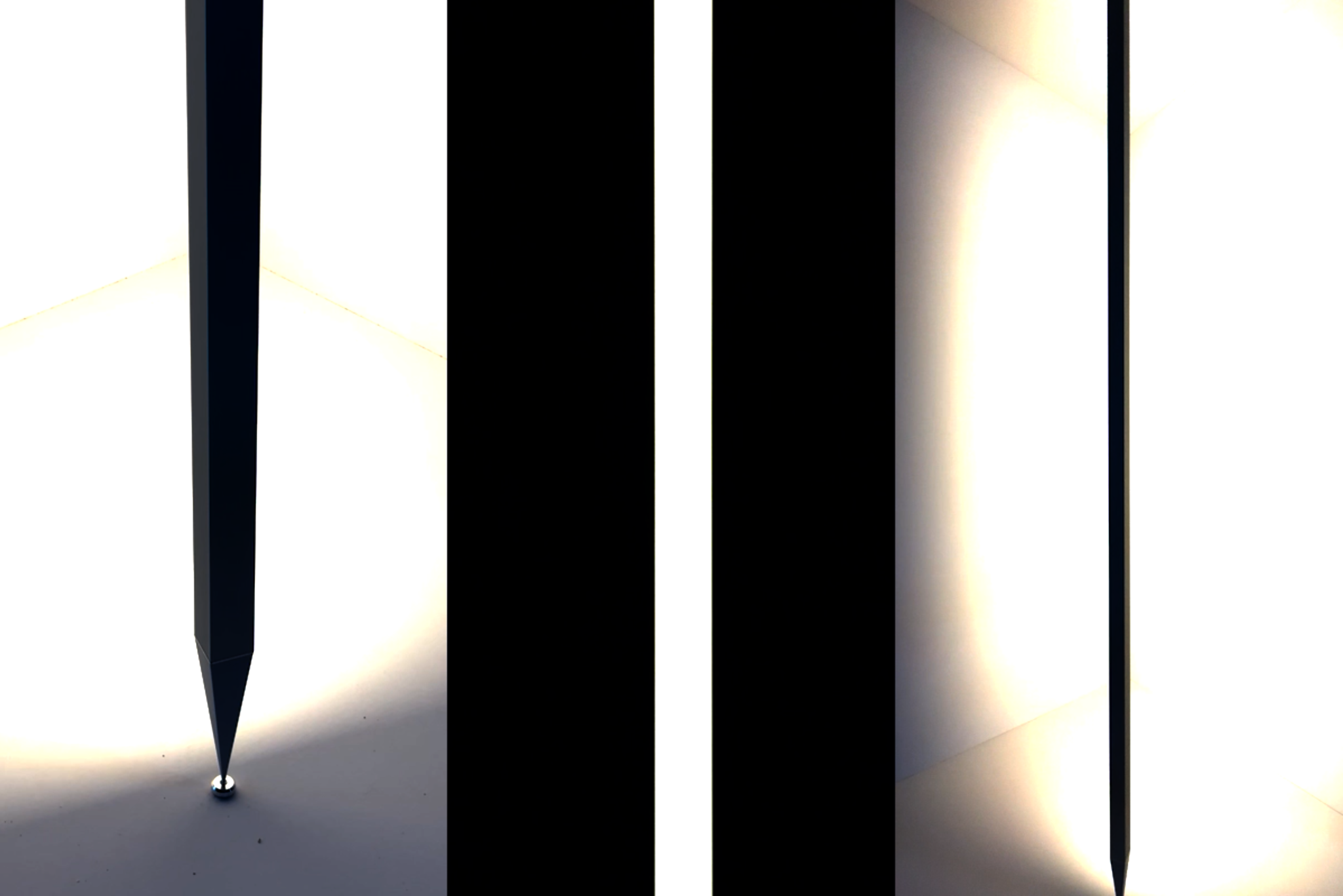
Beam serves as a first technical exploration for a future large-scale installation that investigates how immersive, light-based environments can challenge perception and evoke emotional and psychological responses.
Alle Rechte vorbehalten
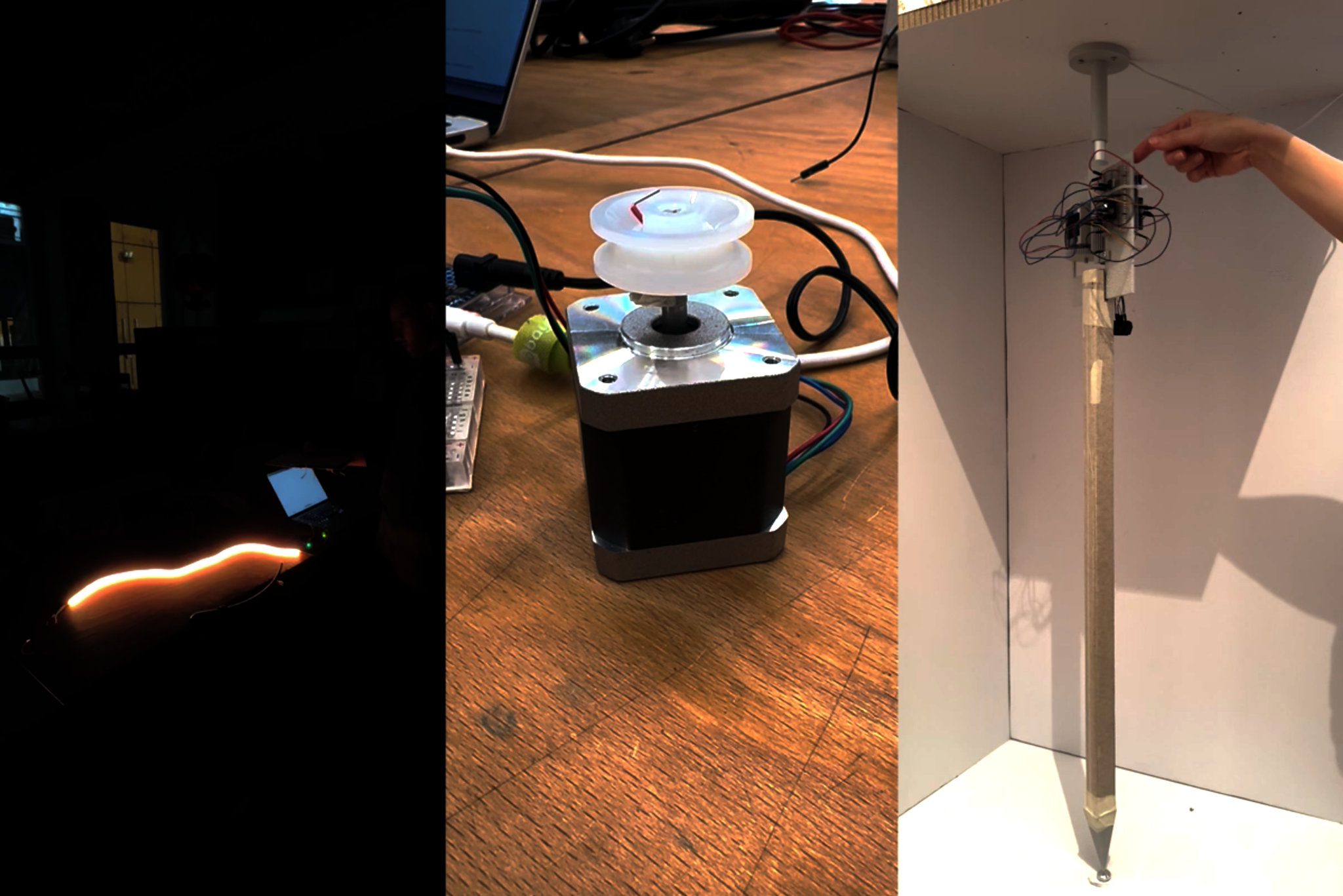
Positioned at the intersection of design, art, and psychology, the project explores light as a spatial tool for interaction, self-reflection, and perceptual ambiguity — seeking to transform passive viewing into an active, multi-sensory experience.
Alle Rechte vorbehalten